Author: India Food Tour

  • The best cities in India to sample the true flavors of Indian food

    India is a fascinating land of eclectic cultures. This is because from the earliest times people of myriad races and nationalities have come to India-some as conquerors who came for some  time and others who made India their home. All of them contributed something to the brilliant mosaic that makes up Indian culture, and nowhere is it more visible than in its varied cuisine. From Kashmiri cuisine with its more than a dozen meat dishes to the extensive vegetarian fare of the Gujarat’s; from the robust cuisine of the Punjabis to the delectable fish based recipes of the Bengalis, and from the fiery Goan curries to the fiery Chettinad chicken dishes of the South, one could go on till the cows come home and still not be done with describing the glories of  Indian food.
    For the sake of convenience let’s just pick up two cities as examples of places where you can sample the best of Indian food. Though I daresay, just about any city would do considering the fact that Indians love their food as they do.

    Delhi

    Delhi is one of the most ancient cities of the world and has been the centre of many empires including the Mughal and the British. Some of the most popular eating joints in the city are:

    1. Karims’

    – This is near the historic Jama Masjid(Friday Mosque ) that was built by the Mughal Emperor Shah Jahan who also had the Taj Mahal built. You can sample the best of Mughlai food in the shape of Chicken Shorbha, Mutton Shorbha, Tandoori Chicken, Tandoori Raan, Tandoori Burra, Murgh Massalam and a variety of Indian breads. For those who know Mughlai cuisine Karim’s is right there at the top.

    2. Parnthey Wali Gali

    – This is located in the Chandni Chowk or the moonlight square area of Delhi, and again the Emperor Shah Jahan, had this place come up in his rule as a trader and merchant hub. Paranthey Wali Gali or the fried flat bread street consists of a number of pretty basic eating joints that serve old style paranthas(fried Indian bread) in a variety of stuffing options. The bread is quite wholesome and filling, fried as it is with clarified butter. This is accompanied by a little vegetable side dish or two. For anyone visiting Delhi a visit to the Paranthey Wali Gali is de rigueur.

    3. Moti Mahal Restaurant

    -This chain of restaurant’s claim to fame has to be the invention of the butter chicken, the ubiquitous chicken dish that defines Indian Punjabi cooking. That apart you can have top rate chicken tikkas, dal makhni, seekh kebabs and shami kebabs.

    Lucknow

    This imperial city was home to the Nawabs who were known for their fascination with food, and this led to the evolution of the world famous Awadhi cuisine. A few examples of this awesome way of preparing food are given below-

    1. Kakori Kebab

    -Made from the mince obtained from the tendon of a leg of mutton, it is defined by its legendary softness.

    2. Shami Kebab

    – Again made from mince tempered with raw mango. Absolutely mind blowingly delicious.

    3. Boti Kebab

    – Delectable kebabs that are the result of lamb marinated in yoghurt, which is  then skewered and cooked.

    If your mouth is watering already and you can’t wait to get on that plane to India you may want to start making the arrangements right now.


    Guest post by Amy Lawson from National Express .

  • Chaat, One of best Indian street food items

    Chaat – Indian Street Food

    Various varieties of  Chaat are some of most popular Indian street food dishes and quite more than just snacks for people in India. Chaat is among the lightest, cheapest and most convenient meal to have when someone is in a hurry.  Indian street food is incomplete without a mention of chaat.  A confusing point that many people don’t get is that a lot of Indian street food items are called chaat. Some of more popular chaat dishes are papdi chaat, gol gappa also called paani puri,and bhalla chaat. Chaat is a street food dish, but some kind of it always served during most parties in India. Even posh, high-end restaurants have started serving chaat items, but they are often beaten by the street food vendors who have been doing it for generations
    A large number of chaat food items exist in India, many with completely different  Bhalla_Papri_Chaat_with_saunth_chutney, Chaat Indian street food flavours, looks and ingredients from the rest. Many chaats are eaten cool and thus are enjoyable even in summer. Pani puris for example, are just water flavoured with digestive spices served in hollow balls made of crisp flour. Sometimes they are garnished with chick peas and boiled mashed potatoes. The flavoured water is usually salty made using pudina (mint), rock salt, pepper,  and some other ingredients depending upon where you eat it. For people who like sweetness, bit of sweet and tangy tamarind chutney is added. A number of different flavours among pani puris are available catering to almost every type of  fan. The flavoured water is considered to help with digestion and is useful in preventing dehydration during hot summers of India.  Many people drink pani puri water by cups.

    Puris are the most common ingredients for other types of chaats. They are small, crisp  and crackle loudly when broken. Boiled or fried potatoes and two or more types of chutney ( a type of sauce) are also used. One chutney, made of imli (tamarind) is sweet and tangy . Second one is spicy and  made of pudina (mint), ginger and green chillies.

    Many street food items, including chaat  may or may not have dahi (curd, yooghurt), another popular food item in India. It helps with digestion and makes tolerating excess spiciness easy for people who are not used to it.  Dahi bhalla chaat is a very popular and tasty street food item, specially popular during summers. The yoghurt is thickened and sometimes sweetened, giving it a smooth creamy texture which gels really well with bhalla . It is sometimes sprinkled with chaat masala, onion garnishing and bits of fried potatoes.
    Chaat masala is another thing which helps with digestion but is used more in a wa, not just to increase the flavours. It may have different varieties and ingredients in different places. Most popular are powders of  , dried raw mango (aam choor), ginger, pepper, rock salt and dried pomegranates ( anaar daana). Apart from their use as chaat masala, these ingredients are also used in combination with other different ingredients as churan to help with digestion.

    Bhel puri, from Maharashtra is a very tasty light snack made of sev ( thin noodle like crisps made of besan) and puffed rice. They are sprinkled with  chaat masala, chutney and garnished with tomatoes and onions. It’s a good snack to have, light on stomach and low on oil.

    Aaloo tikki is another very popular chaat dish made of boiled and then crisply fried potato cakes. They are served as soon as they are cooked, garnished with chaat masala, chutney and sometimes yoghurt. It’s a heavy dish due to fried potatoes but it’s popular all the same.  McDonalds in India even launched a McAaloo Tikki burger to cash in on its popularity.
    Even if the chaat may seem heavy or tough to digest, yoghurt and chat masala make sure that your digestive system stays fit and healthy. As with everything else, it’s not good to eat chaat in excess, especially if you don’t know about Indian food in details

    How to eat chaat or any other food in India

    Chaat_with_saunth_chutney, Chaat Indian street foodWhile traveling in Delhi or any other Indian city, you will find a number of street food vendors selling different varities of  food with chaat vendors being a significant majority. Some of them will be there just to make a quick buck and be done with the whole thing, while others serve their food with pride and care for customers. Important thing is to know how to distinguish between the two. Good street food vendors care for their clientele and serve only the best quality food. You can tell it from their loyal customers.

    Make sure that the food vendors you visit obey basic hygiene rules. Confirm that the food ingredients are covered and protected from dust and flies. Most street food vendors use disposable plates, but if they are not, make sure that they are clean. Read this article to know more about how to keep safe from water and food related problems while traveling.

    We hope that this article will help you enjoy Indian street food, specially chaat better. Happy munching. Contact us for feedback, queries or for booking an Indian street food tour.

    Image courtesy: Wikipedia

  • Traveling safely and for cheap in India during monsoons

    What tourists should know about traveling in India during monsoons

    Unlike what many people think, traveling in India during rainy monsoon season can be fun. Sure, there are usual  reasons against it like unreliable routes, humid weather etc. A random flood or land slide can spoil any well planned travel itinerary. But  traveling in India during monsoon season can be advantageous for a number of reasons. Tourists  get great discounts on air fares, hotels and also enjoy their sightseeing as peak season crowds are absent.

    Let us explain a little about Indian monsoons before going any further.

    India is a a very big country and is justly classified as a sub-continent not only due to it’s size but also the large diversity in terms of landscapes and weather. Evergreen tropical forests in east,  cold snow covered Himalayan mountains in north, hot Thar deserts in west, temperate coasts in south and more, these all provide tourists with a wide variety of options and time periods in which to explore the country. There is actually no definite or set time to visit India. Different regions have different peak-season for tourists , but that will need another article by itself.

    Raneh waterfalls during monsoon season, khajuraho, India. Traveling during monsoons
    Raneh waterfalls during monsoon season,  India

    Monsoon is the rainy season in India which lasts from June to September in different parts. It hits Kerala in southern India first in early June and travels northwards. Northern parts of India receive first monsoon showers late June or early July. Not every region experiences equal rainfall or at same time. They all have different experiences with monsoon rains. These rains are  very important  in economy and lives of  everyone in the sub-continent.

    The arrival of monsoon rains marks the end of infamous hot and dusty Indian summers and makes the conditions cooler and surroundings much more green and beautiful. Indian people like rains and seeing them enjoying the rainfall by getting soaked in the  rain showers is a common sight. One of the most common snacks during this season is a combination of Chai ( type of milky Indian tea) and hot Pakoda (a fried salty snack)

    Here is how tourists can enjoy monsoon travel in India

    Advantages of traveling during monsoons in India

    1) Good discounts in hotels, airlines and other businesses

    A lot of airlines and hotels offer  very good discounts during monsoons due to lean season, which can really decrease your travel expenses. As the majority of people like to stay indoors during rains, tourist activity is much less and you can enjoy your travel in comparative peace and leisure.

    Panna National Park, India travel2) Different weather, landscapes and customised plans

    Due to different landscapes and weather in different regions, tourists in India can plan their trips all year round. A tourist  in India is not bound to dates in a calendar or  weather reports to plan and enjoy the journey.

    3) Greenery and pleasant weather

    Everything comes to life during monsoons in India. The weather is pleasant, cool breeze blow almost all day long and the surroundings are covered with lush new greenery which is a relaxing sight . Places like parts of eastern and central India, Kerala, Western Ghats are even more stunning during monsoons due to clouds and greenery. A lot of rivers are in full flow and this makes for spectacular waterfalls.

    4) Cleansing season

    Many people think that rains of monsoons are  have a cleansing effect, Pollution due to smoke and dust particles is minimised and people are generally more comfortable in this cooler weather. Ayurvedic detoxification during monsoon is very popular these days. Some  herbs used in certain ayurvedic practices grow only during monsoons and the rains seem to have a good effect on efficacy of certain plants.

    Precautions for travelers in India during monsoon season

    Here are some basic precautions that the tourists  should observe while traveling in India during monsoons:

    1) Carefully plan road tripsSpiti, India adventure tours

    Mountainous regions almost everywhere are susceptible to road blockages due to landslides, flash floods etc during rainy season. Plans your road trips by taking these factors in to count.

    2) Closed wild life parks

    Most of national parks and wild-life areas are closed for tourists during monsoons. So if you are looking for clicking a rhinoceros, tiger or any other exotic animal, confirm the availability in advance.

    3) Consume safe water

    Although it’s a very general rule,  we can’t stress this enough. Don’t drink tap water or even from natural sources  like lakes and rivers during rainy season.  Always stick to bottled or filtered water.

    4) Be cautious of bugs

    Bugs and other critters like mosquitoes, flies, snakes etc can be a nuisance during rainy season. Keep an insect repellant handy and be careful of where you step or sleep/

    That’s everything that we have to say about traveling in India during rainy monsoons for now. We hope that this article may be of some use for travelers. Please feel free to contact us for feedback or more information.

  • How to avoid scams and touts while traveling

    For tourists all over the world, it’s hard job to avoid getting cheated by different kinds of tourist scams. Touts and middlemen are a bane of tourists everywhere. They are pesky, greedy, dishonest and always looking for a way to con unsuspecting tourists out of money by any means possible. This article is intended to help tourists avoid  getting cheated by scams perpetrated by such touts and other scammers. But first, we’ll explain what we are talking about by the help of some real life incidents.

    Examples of travel scams

    1) Tea tasting scams

    There are numerous versions of this tourist scam all over the world. In this, a very friendly local will ask you for a minor favour like taking a picture, then try to gain your trust by any means possible. Then they offer to take you to a very Comic Con, New Delhi. 2013. How to avoid tourist scams, travel scamsunique restaurant, festival etc for a special tea tasting session, best food in town or something similar. When it comes to the point of paying for it, they show their true colours by presenting an amount that could buy enough food to feed 100s of people for weeks.

    2) Providing wrong information

    The most recent one we heard was from an American tourist who wanted to see Delh’s Red Fort (Lal Qila). He got out of his hotel from Paharganj, which is only 10-15 minutes drive from the fort and started looking for an auto-rickshaw to get there. A tout came up to him and offered him to take him there in his ‘private car’, which would have cost 5-6 times what auto-rickshaw would have charged. When the tourist refused, the tout told him that due to terrorist threat, only private cars were allowed inside the fort and auto-rickshaws and other vehicles are not. Fortunately, the tourist was smart and he ignored everything the tout said. He hired an auto-rickshaw and visited Red Fort without any issue.

    3) Tour of workshops, showrooms

    One of the most infamous scams in many tourist hot-spots is touts, guides, taxi-drivers etc taking to you  for a tour of a workshop, garments factory, rug factory etc and claim that it’s just part of the tour and they are under no pressure to buy anything. But the unsuspecting tourists are tricked in to buying some useless trinket at vastly inflated prices by the silver-tongued touts.

    4) Recommending shady businesses

    Touts and middle-men like to recommend particular hotels, shops or relevant business establishment by promising good deals and discounts. Everyone from taxi drivers to guides to travel agents and hotel owners are guilty of this. In some cases, they can get you something you may or may not require, but it’s almost always at inflated prices due to commissions involved. The business owner is obligated to pay sums as high as 50% of the sale value to the referrer.

    How to avoid travel scams while traveling

    As evident, any tourist is very likely to be approached by unscrupulous touts in a wide variety of situations. Here is how you can avoid losing your money in any of common travel scams:

    1) Read reviews

    Most of reputable businesses worth their salt have an online presence by the means of a website, reviews of forums and various travel related sites like Tripzar, Lonely Planet, Trip Advisor and many others. Look around for what other travelers are saying about them. Many businesses will have some bad reviews. In that case check how they responded or did anything to make up for the bad experience. There are many business with no online presence which can be good, but always ask fellow travelers before spending your money. People who are in business for long care about their reputation and are more trustworthy than small time touts who care only about money.

    2) Contact in advance and keep things clear

    It’s important that a tourist knows every relevant detail before handing over the money. It’s easy to fall for common travel scams if you don’t know how your money will be spent by agents. If you are planning any trip, make sure to have information about every hotel, car, guide, driver, food, sightseeing etc. written down for quick reference. It’s helpful in more than one way. Not only you have a good idea of what you are paying for, but you can also weed out the things you don’t need or ask for upgrades and better facilities.

    3) Avoid the shops random strangers and untrustworthy guides insist on

    As mentioned above, most business owners pay a very large percentage of their sales amount to whoever brings clients to them. . While a small commission is OK, most of the time, it’s so much that the tourists end up buying things at many times their reasonable cost. Taxi drivers may offer you reduced fare if you agree to visit some showrooms or shops on the way. Avoid them at all costs. If you absolutely have to go, then always check for reasonable price and bargain hard.

    4) Keep low profile

    This may sound strange to some, but do not show off your expensive branded clothes, electronics, wads of cash etc as a status symbol. Keep a low profile, don’t let other people know of your economic status. People who look rich attract more unsavoury characters than simple and broke backpackers.

    5) Ignore them, don’t engage

    A lot of places frequented by tourists will have numerous vendors, guides and beggars trying to sell you something or asking for money. Don’t pay any attention to them or make eye contact or do anything to make them think that you might be interested in buying something from them. Not everyone is a tout, but most such people are poor who just want to make some money qucik.

    6) Call bluffs of fake officers

    Some travel scams involve scammers pose as officers of some government agency and try to fleece money.It’s rare but if you ever have the misfortune of meeting any such low-life, ask for ID. Every government issued ID has text in English as well as a local language, Hindi in most cases. They’ll probably tell you that you were doing something illegal and threaten you with arrest if you don’t pay them some money.  Contact nearest policeman or an uninvolved local and let him know of the issue. As a rule, ignore anyone without uniform.

    That being said, there are numerous ethical businesses like ours 😀 which don’t rely on such corrupt practices. You’ll also find many good Samaritans who will help you without expecting anything in return. But you have to use your own wits to know that. Don’t let behaviour of some greedy person spoil your trip or mood.

  • Indian Street Food in India

    Authentic Indian Street Food

    Different people think differently about street food. Some people feel shy about eating in open streets while some may have concerns about food hygiene and cleanliness. But the point which makes street food popular is the sheer innovation an quality of food from street vendors which established fancy restaurants find very hard to replicate. Street food is not only easy on pocket but also very good to eat. Most street food vendors worth their salt actually have better cleanliness than many restaurants. Quite often in case of street food, not only you can see the food being cooked in front of you with your own eyes but also ask for customizations which are difficult to accommodate in restaurant meals. In many street food businesses, the cooking recipe is a trade secret and is zealously guarded just like MNCs like KFC, Pepsi etc. guard their own recipes.

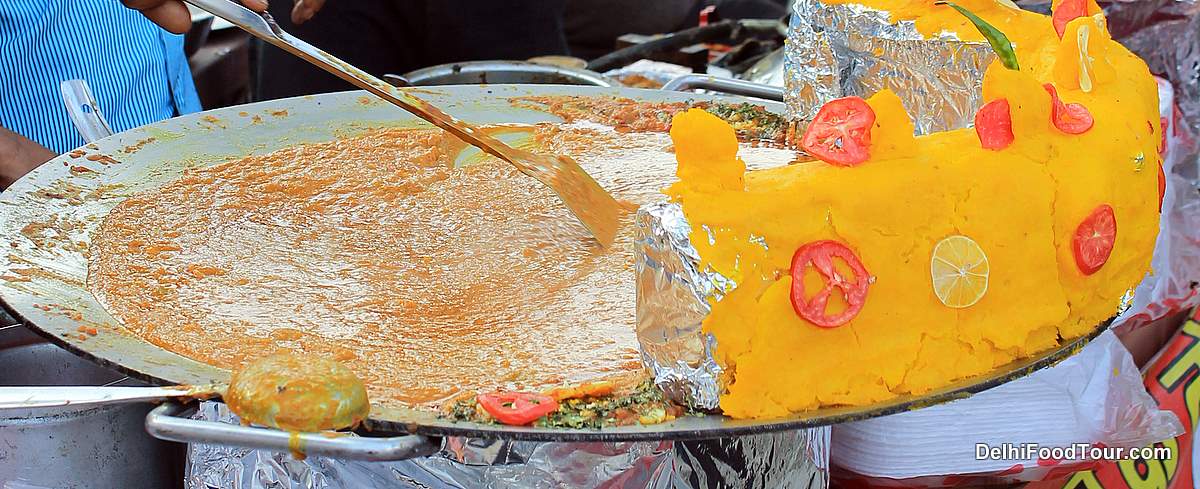
    Indian street food, bhaajiThe variety of food available in India is unmatched anywhere in the world. India is a melting pot of various diverse cultures and their cuisines, each one with their unique flavours. What passes for Indian cuisine elsewhere in world is only a very poor and incomplete imitation of the real deal which is a amalgam of thousands of different dishes from different cultures. Even native Indians can’t expect to cover all the food varieties available here and do justice to them. A person living in Tamilnadu will have a very different diet from one living in West Bengal or Bihar or Gujarat or Rajasthan. With faster ways of communications, different regional cuisines are finding acceptance in other parts slowly but steadily. Paav Bhaaji, a typical Maharashtraian dish, Dosa from south India, Dhokla from Gujarat and many other such items are just few examples of regional Indian food dishes which have gained popularity not only inside India, but also in foreign countries.

    Owing to it’s accessibility and low price, street food culture has played a very important role in increasing popularity of regional Indian food. It’s not possible for everyone to go to a fancy niche restaurant to eat authentically prepared exotic dish. In similar way, it’s not always possible for restaurants in far away locations to find good cooks and  keep the authentic flavours intact. Street food vendors solve this dilemma quite well. Not only they have low prices, but the food is prepared in an authentic manner too. In most cases, a single street food vendor will specialise in preparing only one or a handful of dishes, which keeps their focus intact and also helps with increasing their expertise and gives them opportunities  to experiment and innovate.

    Safely eating Indian street food in IndiaIndian Street Food In India

    Almost every city in India has it’s own street food culture influenced by a number of factors. But there a  few Indian street food dishes which one can expect to find almost anywhere, so popular they’ve become.  Gol Gappe, Aaloo Tikki, kathi roll, Pakode with different stuffings, Dahi Bhalle, Poori Kachori, Chaat, Chole Bhatoore,  Samosa, Dahi vada, Bhel poori and many many more dishes which used to be just regional foods now have not only pan-Indian but also international presence. Some of these food items have become so popular that people don’t even think of them as something exotic anymore. They are truly a part of Indian cuisine.

    Different types of street food dishes in India are consumed as snack as well as  complete meals. This is not to say that you can have pakode or smaosa for a meal.  Some dishes like dosa, idli, biryani, vada paav etc, which are considered proper meals in their places of origin are eaten often eaten as street food snack elsewhere.  It may get confusing for some foreigners who know only a liittle about Indian food but not the fine details needed by a dedicated foodie or even someone hungry looking for a good fulfilling meal. One needs to spend some time and effort observing the surroundings or get some one who is knowledgeable to explain the details.Indian street food, sabudana vada
    Not every street food shop is worth visiting and a many are over hyped too. Some shops may not serve and operate in hygienic conditions either. Selecting a street food shop which serves good food at good price and ensures cleanliness is a bit harder than it looks and if you are new to a place. This is where food tour services prove useful. Of course it’s possible to indulge in some exploration by yourself, but in a strange country it’s better to have some one guide you when it comes to something as diverse as Indian street food, at least initially.

  • How to keep safe from water and food related problems while traveling

    A lot of people suffer from upset stomach and other related illness by consuming unsafe water and food while traveling. A few people are blessed with iron stomach and immune system better than Terminator. But for rest of us, a lot of effort is spent on not getting sick whenever we step outside our homes for any period of time.

    This issue is of particular importance for people who are traveling to foreign countries. You will find different notions of hygiene, cleanliness and even different pests and germs in different places. For example, communicable diseases like malaria are almost completely eradicated in western world, but they still claims hundreds of thousands of lives in many other countries.  Although, this topic can be written about in a very detailed manner, time and space constraints dictate that I limit this article to basic precautions related to water and food safety only. Although, this article is written with India in mind, these are some general instructions which hold true almost everywhere. So let’s begin with

    Eating street food safely in IndiaFood Safety Rules For Travelers

    Taking even basic precautions related to food safety and hygiene can save you a lot of trouble.  High end restaurants and hotels are considered cleaner than most road-side street food vendors. But this is not true everywhere in very case. One such case in example is freshness of ingredients used. A lot of of street food vendors prepare their dishes earlier in day or during the work hours and serve them as fresh as possible. Meanwhile, restaurants usually prepare large quantities of their most popular food items or ingredients and store them in refrigerators to be heated up just before serving.
    Here are some points for you to keep in mind when eating food in India or almost anywhere else in the world:

    a) Get food only from a recommended and trusted source

    Many street food businesses have good reputations among their customers for solid reasons.  If you don’t know much, then take advice from your local friends, guides etc . But make sure that they have no commercial stake in recommending you something. Observing the customers is also a good way of making a choice. A good food vendor will  have large number of customers compared to a non-trusted one. Food safety is always important to good vendors.

    b) Always make sure that the utensils used in serving are clean.Indian street food in India

    Most street food vendors use disposable plate, spoons made of plastic, leaves, cane etc. But if metal utensils are being used, ensure that they are clean first. Use your own wipes, napkins etc to clean them  if not  sure.

    c) Do not eat at any place where the food is not covered and exposed to dust and flies.

    These are major source of germs and observing this basic food safety precaution alone can save you from lots of trouble

    d) Have fresh food

    In some places, the food you ask for is prepared right in front of you out of semi-prepared ingredients. Not every vendor brings 100 % read to eat food with him. So, if you see food cooking before being served, it’s very likely  that it’ll be fresh. A good food vendor will usually pay heed to your requests and prepare the food exactly to your requirements. But if there are other people waiting, he may have to pay more attention to others.

    e) Precautions related to food are can be very confusing.

    People  may follow all the hygiene and cleanliness related precautions, but may still suffer from an upset stomach due to some unknown food intolerance or allergy they did not knew about earlier. It can be really difficult to avoid such incidents. In case you know about your food intolerance and allergies, confirm with the vendor before consuming anything. If that’s not possible , try only small portions to check whether you are okay with it. If you  have no side-effects and like the dish, go on to enjoy larger portion. Also, always keep a basic first aid kit consisting of a few medicines for an upset stomach, antacid, antihistamines etc.


    Water Safety Rules For Travelers

    Chandrataal Lake, Spiti, India adventure tours. Water safety rules for travellers in India

    Contaminated water causes biggest source of  preventable infectious diseases worldwide. A number of potentially fatal infectious diseases can be prevented from spreading by just using clean water. Fortunately for travelers, it’s  pretty easy  almost everywhere. One of the most convenient solutions is to use branded bottled water. It’s easily available almost everywhere and comparatively easily. Some people consider it expensive. It is if you consider that it’s just ordinary water, but considering the alternative of spending so much money on medicines, it’s good enough. Even with bottled water, make sure that you buy only the original brands and properly sealed bottles. If in doubt, leave it and buy it from some place else.

    But what happens when you are in a place with no bottled water ? Unless you are near a river source with clear fast moving water, glacier etc. you have to boil and filter before drinking. You can use water purifying tablets or drops. Sometimes it causes slight change in taste of water but most people will accept it.

    Portable filters are another option. There are many types of big and small filters available in market. One portable filter as big as a pen and is used as one would use a  straw. It’s very lightweight and small and can be carried in a pocket.  Additionally, you can use bottles which come with water filter already fitted in.   Most of other filters are are usually too big to lug around comfortably.  If you are not carrying your own water filter, then best option to quench thirst are bottled water, juice or soft drinks, in that order.

    We hope this article may help you keep safe while traveling in India. Contact us for any feedback or information.