Tourism in India is a tale of amazing potential, confusing paradoxes, missed opportunities and massive under utilisation of resources. Compared to rest of the tourist hotspots around the world, India has mind boggling variety of tourist attractions of all types which can attract almost every single type of tourist out there. Ancient archaeological heritage of India which goes back to nearly 4000 years is spread all over India, from Laddakh to Kanyakumari.
India is blessed with such awe inspiring ancient monuments at a scale unrivaled by any other country in the world. Forts of Rajput rulers in Rajasthan, artful temples of Bundels, luxurious monuments constructed by Mughals, amazingly beautiful Konkan temples are just a small fraction of this wealth spread across it’s length and breadth. Adventure tourists have some of the best and virtually untouched destinations in Laddakh, Himachal Pradesh, Uttranchal, Sikkim, Mizoram and other north-eastern states . Wild life enthusiasts have the option of seeing some of the rarest wildlife not found anywhere else in world in Gir, Jim Corbett and many other national parks.
Adventure tourism, specially in north-eastern states has a lot of potential but hasn’t been explored even partially. The north-eastern states states have some of the best places for adventure activities like trekking, mountain climbing, camping and much more. Culinary tourism in India which has the biggest potential is just a small speck. Considering the vast culinary diversity of India, the country should be the top destination for all foodie tourists.
So many religions like Hinduism, Sikhism, Jainism and Buddhism originated in India and their followers from all over the world wish to visit places important to their faiths. Medical tourism in India due to high quality healthcare at very low prices attracts people from all over the world. Culture and food junkies can’t find any place better than India with it’s diversity in languages, people, food, music, literature and culture which go back thousands of years. To top that, India is one of the cheapest tourist destinations compared to most of western countries. There is no other country in the world which offers so much diversity in such a package. Anyone would think that with so many blessings, India would be the tourist hub of the world. To top it all, India is one of the cheapest destinations in the world for tourists.
In 2011, 62 lakh foreigner tourists arrived in India. Tourism sector in India employs nearly 4 crore people and is $ 121 billion dollar industry. Seems impressive, only till compared to 2.5 crore tourists per year Malaysia which has little to offer except beaches and and cheap shopping. Top tourist destination in world is France with 8.2 crore tourists in 2011 and 8.3 crore in 2012. India is not even in top 10 tourist destinations in world or even Asia. It’s actually ranked 38, preceded by countries like Saudi Arabia, Thailand, Egypt and even Tunisia. Just for sake of perspective, go through the following list:
( 1 million = 10 lakh, 100 lakh = 1 crore)
Country No. of tourists
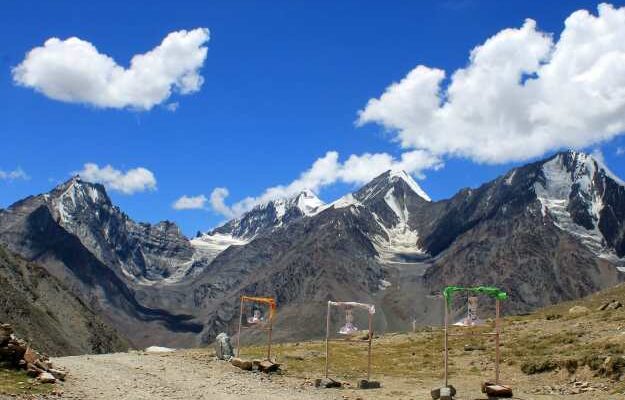
Tourism in India is more than just Taj Mahal, Chandratal Lake, Spiti
Turkey 3.5 crore
Morocco 92 lakh
Tunisia 69 lakh
South Africa 80 lakh
China 5.8 crore
Saudi Arab 1.7 crore
Egypt 94 lakh
Thailand 1.9 crore
Looking at these figures, one can’t help but wonder what is wrong with Indian tourism sector. It’s not that people around the world are unaware of what India has to offer. Established travel forums like TripAdvisor and Lonely Planet are full of foreigners discussing and asking for information related to travel in India. Sections related to India are the ones with maximum number of posters. On Tripadvisor, India section has more than 10000 threads, exceeded only by 15000 threads of Thaliand. A lot people from all over the world wish to visit India but are turned away by numerous factors.
Some of such issues are:
1) Complicated visa procedures: Infamous Indian red tape and bureaucracy is a nuisance outside the country too. Unlike other tourist hotspots, India makes it much more difficult and expensive for tourists to get a visa. India offers on arrival visa to only a handful of countries including Finland, Japan, Luxembourg, New Zealand and 4-5 others. In comparison, Malaysia offers on arrival visa to majority of countries except Israel, India, China and some African countries.
2) Bad infrastructure : Even though rapid development is happening, India is still a long way from having a world class tourist infrastructure.
3) Safety : Image of India has taken a severe beating recently due to various factors. Pakistan sponsored terrorism in various parts of India is also a big turn 0ff.
4) Lack Of Promotion Unlike other countries where governments and private organisations, spend large amounts of money and effort to promote tourism in their own countries, Indian efforts in this case have been very limited. Incredible India campaign which was launched with much fanfare a few years back ran out of steam pretty quickly.
Above mentioned points are not unique to just India. A lot of countries face similar problems, have very little tourist attractions but still manage to attract many more tourists than India. We need to learn from them and make necessary changes as soon as possible. Some recent high profile projects like Golden Quadrilateral Highway project, Delhi Agra expressway, high speed trains with bio toilets etc are steps in right direction. But a lot more needs to be done. A lot of our customers are solo travelers, men and women of all ages. Some of them spend months or even years traveling inside India without facing any problem. But the recent bad press and selective reporting has messed up image of India badly. In an industry where perception counts for a lot, an effort has to be made to promote the attractions and good points of India rather than just the bad news.
Development of infrastructure accompanied by positive publicity should be the top priority for us. There have been small baby steps, but what we need is a sustained organised effort.
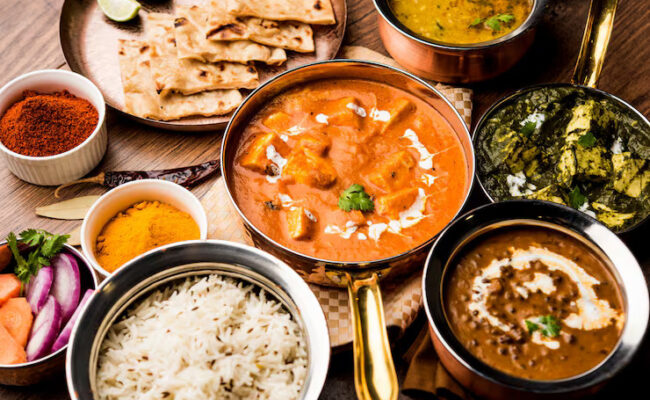
Indian food is known to be one of the most rich and delicious cuisines in the whole world. When you are traveling, you are bound to encounter some Indian food at the restaurants. Most people do not know how to make Indian food and therefore do not know much about it. Health benefits: Indian food is one of the healthiest in the world. It is made with very little oil and never animal fat. This means that it is not likely to result in high cholesterol blood content. This means that it is quite excellent for people who want to stay healthy and not experience cardiac diseases. This food is also made using a lot of spices and herbs. Most of these are known to have not only excellent taste, but they also have medicinal benefits. Some of the spices, such as turmeric, help in boosting the immune system. This means that by eating Indian food regularly, you are able to keep diseases at bay and live a healthy life. Main courses: Unlike other international cuisines which involve a lot of courses, Indian cuisine centers around one main course. This is either rice or bread. The variations in the dishes are brought about by the side servings which are numerous. Indian rice is made through different recipes so you do not feel like you are eating the same main dish every day. For example, you can have pulao rice, masala rice or turmeric rice. There are also a variety of Indian breads such as roti, naan or chapatti. These breads are sometimes made from whole grains and without any adding any fat making them healthy but still tasty. Meats: Indian food includes a wide range of meats apart from beef. However, most of the dishes are vegetarian with protein being obtained from other sources. Some of the popular protein sources for Indian foods include lentils, dried beans, chickpeas and black-eyed peas. This is one of the reasons why Indian food is considered to be quite healthy due to the extensive variety of vegetarian dishes. Spices: Indian foods are made using a lot of spices. Indian curries are quite hot and you may not be able to eat them if you are not used to having pepper in your food. Never the less, you can always make a special request to the chef to make your food without the pepper. This will take away a bit of the hotness but the other spices used will still maintain the flavor. Therefore, it is always advisable that you enquire from the server how spicy a dish is before ordering for it. Variety in recipes: Indian food is never prepared in the same way. Due to the wide variety of spices, you will find that each hotel and chef have their own secret recipes. Therefore, the same dish will taste quite different from one restaurant to another. This is one of the most intriguing things about Indian food and continues to make it a favorite. Next time you are going through ESTA ensure that you include Indian restaurants in your itinerary. Guest post by: Annie Bonneville
Traveling makes everybody a better person. We end our adventure happier than we started off. Travel makes one a better individual as well as a more interesting one as well. This makes one type of a person people float towards and want to associate with them. Following are some approaches to become a better person while having enjoyable travel experiences : 1. Happier Travels Travel tells you the best way to be cheery. You’ll end up being free, progressively sure and believe them to be an increasingly impressive spot. Being neighbourly, entertaining, social, cheery, certain are generally attributes that make people progressively productive in a standard day by day presence. Travel improves people. When you get acquainted with the world , push your cutoff points and try new things become an undeniably open, cheerful, and incredible person. 2. Say no to materialism All over the place, you adjust precisely how little stuff you truly need. You’ll comprehend that the stuff they sell at the mall is totally useless in life. Returning home, you’ll get yourself a moderate just in light of the fact that you comprehend what you need to live and what you don’t. 3. Easy going attitude Simply take the path of least resistance. Continuously be loose and accommodating while at the same time voyaging. Travel might most likely show new something new when you are calm and willing to realize what ‘s out there .4. Become sharp and smarter While voyaging you’ll get some answers concerning people, history and culture and arcane convictions about spots a couple of individuals could simply dream about. To put it doubtlessly, you’ll have a predominant understanding about how it capacities and how people continue. That is something that can’t be picked up from books; you can simply lift it up without and about experience. 5. Adapt to the Environment Various places have various foods and encompassing. Regular voyages make you increasingly versatile to new places like attempting fiery nourishment, encountering an entirely different world. Venture out of your customary range of familiarity to encounter. 6. Be confident while travelling In the wake of voyaging so much and achieving so much, you’re going to feel significantly increasingly positive about your capacity to accomplish anything you set your focus on. In this way, as you banter with an ever increasing number of outsiders your confidence normally develops. 7. Be good at ConversationsTravel does not simply fulfill you with chatting with outcasts, it improves you at it also. Unavoidably, you couldn’t think less about where people are from, where they are going, to what degree they’ve been voyaging. 8. Be more social You ought to be progressively open to individuals. You figure out how to make new companions and get progressively agreeable to outsiders. Make sense of how to make new buddies and get continuously content with bantering with new people.
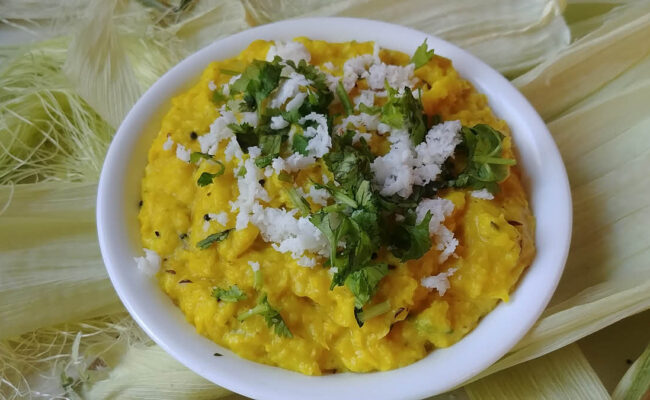
Madhya Pradesh is a food haven for vegetarians and non-vegetarians alike and the passion for food runs deep in the veins of its people. It is not at all surprising to walk down a narrow lane and find yourself losing all inhibitions and indulging in crisp jalebis, Khasta Kachori or the most-loved local street food Bhutte Ka Kees. Bhopali Paan or betel leaf is a complete culinary delight by itself. It not only tastes good but also has a part to play in the digestive system needs.It is a pastry made from betel nut, stuffed with chuna, kattha and supari, and a generous dollop of gulkand.It is said to be one of the most common mouth fresheners. Bhutte ka kees comprises of corns.This dish is only made in Madhya Pradesh and is a healthy and yummy food that is made with grated corn kernels cooked in spices, coconut and skimmed milk. Mustard seeds and green chilies are added to up the spice factor of the dish. Dal Bafla is influenced by the Rajasthani specialty dal bati, is a popular dish in Madhya Pradesh. Crispy baked wheat balls called bafla cooked until they become crisp, and then dipped in ghee. It is eaten with spicy daal, pickles or curry. Mawa Batti has the perfect crisp, the right amount of sweetness and the perfect texture.. It is prepared with mava dough which is mixed with rich dry fruits. After deep frying the mava dough balls, the dish is well-soaked in the sugar syrup to add the sweetness in the dish. Poha is a popular breakfast eaten all across the country and originated in the state of Madhya Pradesh.Super light and super healthy dish,Poha is made with the flattened rice along with the well-cooked onions, tomatoes and is best savoured with green chillies, curry leaves and a bit of lemon.
Goa is popular not only for its beaches, parties and nightlife, but it also has some superb street foods. Street food in Goa excels in all aspects and there is no denying to the fact that street food both South Goa and North Goa is lip-smacking. Bebinca is a type of pudding and a traditional Indo-Portuguese dessert. Traditional Bebinca has seven layers. The ingredients include plain flour, sugar, ghee, egg yolk, and coconut milk. It is a traditional sweet of Goa .It is also easily available to carry and preserve for a long time or eaten fresh. Chorizo Pav is a famous delicacy in Goa. Locals enjoy it as a breakfast item or even as a tea-time snack. Eaten with bread, this spicy pork meat preparation is made using a pre-cooked sausage, onions and potatoes. Gadbad Ice Cream , Goan’s favourite is served in a tall glass or bowl. It is a combination of different ice creams served in one serving, topped with noodles and jelly. The perfect summer special everyone will enjoy the Gadbad Ice Cream on a hot summer day. Vindaloo represents the diverse culture of Goa. One of the most popular street foods in the state, it is known for its spicy flavors enriched with vinegar. Made with boneless pork, a variety of Indian spices are added to the dish to make its taste memorable, including cloves, cumin, cinnamon, Kashmiri pepper and many others Ras Omelette is a regular omelette served with some chicken curry.It is garnished with coriander, onions and a dash of lime juice sprinkled on top of the completed dish and has omelette dipped in it.
A lot of people suffer from upset stomach and other related illness by consuming unsafe water and food while traveling. A few people are blessed with iron stomach and immune system better than Terminator. But for rest of us, a lot of effort is spent on not getting sick whenever we step outside our homes for any period of time. This issue is of particular importance for people who are traveling to foreign countries. You will find different notions of hygiene, cleanliness and even different pests and germs in different places. For example, communicable diseases like malaria are almost completely eradicated in western world, but they still claims hundreds of thousands of lives in many other countries. Although, this topic can be written about in a very detailed manner, time and space constraints dictate that I limit this article to basic precautions related to water and food safety only. Although, this article is written with India in mind, these are some general instructions which hold true almost everywhere. So let’s begin with Food Safety Rules For Travelers Taking even basic precautions related to food safety and hygiene can save you a lot of trouble. High end restaurants and hotels are considered cleaner than most road-side street food vendors. But this is not true everywhere in very case. One such case in example is freshness of ingredients used. A lot of ofstreet food vendors prepare their dishes earlier in day or during the work hours and serve them as fresh as possible. Meanwhile, restaurants usually prepare large quantities of their most popular food items or ingredients and store them in refrigerators to be heated up just before serving.Here are some points for you to keep in mind when eating food in India or almost anywhere else in the world: a) Get food only from a recommended and trusted source Many street food businesses have good reputations among their customers for solid reasons. If you don’t know much, then take advice from your local friends, guides etc . But make sure that they have no commercial stake in recommending you something. Observing the customers is also a good way of making a choice. A good food vendor will have large number of customers compared to a non-trusted one. Food safety is always important to good vendors. b) Always make sure that the utensils used in serving are clean. Most street food vendors use disposable plate, spoons made of plastic, leaves, cane etc. But if metal utensils are being used, ensure that they are clean first. Use your own wipes, napkins etc to clean them if not sure. c) Do not eat at any place where the food is not covered and exposed to dust and flies. These are major source of germs and observing this basic food safety precaution alone can save you from lots of trouble d) Have fresh food In some places, the food you ask for is prepared right in front of you out of semi-prepared ingredients. Not every vendor brings 100 % read to eat food with him. So, if you see food cooking before being served, it’s very likely that it’ll be fresh. A good food vendor will usually pay heed to your requests and prepare the food exactly to your requirements. But if there are other people waiting, he may have to pay more attention to others. e) Precautions related to food are can be very confusing. People may follow all the hygiene and cleanliness related precautions, but may still suffer from an upset stomach due to some unknown food intolerance or allergy they did not knew about earlier. It can be really difficult to avoid such incidents. In case you know about your food intolerance and allergies, confirm with the vendor before consuming anything. If that’s not possible , try only small portions to check whether you are okay with it. If you have no side-effects and like the dish, go on to enjoy larger portion. Also, always keep a basic first aid kit consisting of a few medicines for an upset stomach, antacid, antihistamines etc. Water Safety Rules For Travelers Contaminated water causes biggest source of preventable infectious diseases worldwide. A number of potentially fatal infectious diseases can be prevented from spreading by just using clean water. Fortunately for travelers, it’s pretty easy almost everywhere. One of the most convenient solutions is to use branded bottled water. It’s easily available almost everywhere and comparatively easily. Some people consider it expensive. It is if you consider that it’s just ordinary water, but considering the alternative of spending so much money on medicines, it’s good enough. Even with bottled water, make sure that you buy only the original brands and properly sealed bottles. If in doubt, leave it and buy it from some place else. But what happens when you are in a place with no bottled water ? Unless you are near a river source with clear fast moving water, glacier etc. you have to boil and filter before drinking. You can use water purifying tablets or drops. Sometimes it causes slight change in taste of water but most people will accept it. Portable filters are another option. There are many types of big and small filters available in market. One portable filter as big as a pen and is used as one would use a straw. It’s very lightweight and small and can be carried in a pocket. Additionally, you can use bottles which come with water filter already fitted in. Most of other filters are are usually too big to lug around comfortably. If you are not carrying your own water filter, then best option to quench thirst are bottled water, juice or soft drinks, in that order. We hope this article may help you keep safe while traveling in India. Contact us for any feedback or information.
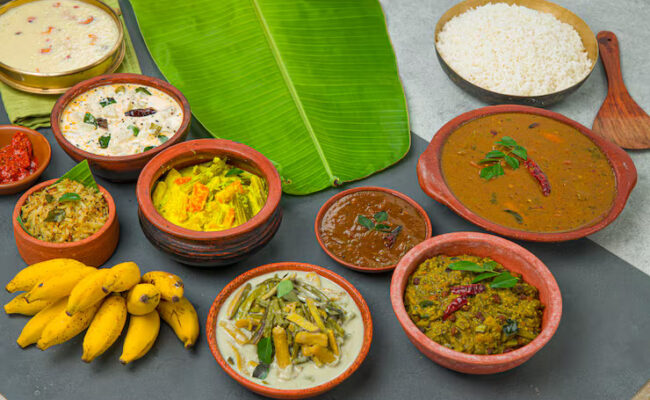
The food of Kerala is a blend of both vegetarian and non-vegetarian options. It includes a variety of items like fish, poultry and red meat. Rice, fish and coconut are the three most common ingredients of Keralite food. Banana chips and Kerala go hand in hand.Most of the tourists prefer banana chips as their snacks as they are easily available and can be tried at any time of the day. Banana chips are dried slices of bananas.They can be covered with sugar or honey to have a sweet taste, or they can be fried in oil and spices to have a salty or spicy taste. Cheera Parippu Thoran or spinach stir fry with coconut is for health conscious people who are looking for a dish that is healthy and is very less in calorie count.The dish is made using leafy vegetables. It makes the best side dish which one can either try with roti, rice. It is a rich source of minerals, vitamins, and iron. Ela Ada is one of those dishes which represent the best and authentic flavors of South India.The dish comprises of rice, coconut, jaggery, etc.One can try this dish for either breakfast or can even as an evening snack. Idiyappam is also known as Noolappam in Kerala cuisine. Idiyappam is made of rice flour, salt and water with a number of thin strands entwined together to make the lovely texture that this dish bears. It is this texture that makes it versatile. It tastes best with Egg Curry. Parippu vada or masala dal vada is a savoury fried snack in Kerala. It is made from legumes and is best consumed for breakfast. Sambar and coconut chutney are the standard accompaniments for Parippu vadas. Puttu and Kadala curry is a famous breakfast recipe out of the many Kerala. Puttu is a cylindrical steamed rice cake that is cooked in a mould with grated coconut. It is served with kadala curry(black chickpeas).It tastes best when served with poori or with roti. Semiya Payasam or popularly known as Vermicelli rice is one of the most famous and popular sweet dishes of Kerala.It is prepared only for some special festivals and occasions. It is served in mud pots which makes the dish even tastier and attractive for the tourists. It is served with lots of nuts and is made using milk, rice, etc. thus is one healthy dish to try.
What tourists should know about traveling in India during monsoons Unlike what many people think, traveling in India during rainy monsoon season can be fun. Sure, there are usual reasons against it like unreliable routes, humid weather etc. A random flood or land slide can spoil any well planned travel itinerary. But traveling in India during monsoon season can be advantageous for a number of reasons. Tourists get great discounts on air fares, hotels and also enjoy their sightseeing as peak season crowds are absent. Let us explain a little about Indian monsoons before going any further. India is a a very big country and is justly classified as a sub-continent not only due to it’s size but also the large diversity in terms of landscapes and weather. Evergreen tropical forests in east, cold snow covered Himalayan mountains in north, hot Thar deserts in west, temperate coasts in south and more, these all provide tourists with a wide variety of options and time periods in which to explore the country. There is actually no definite or set time to visit India. Different regions have different peak-season for tourists , but that will need another article by itself. Monsoon is the rainy season in India which lasts from June to September in different parts. It hits Kerala in southern India first in early June and travels northwards. Northern parts of India receive first monsoon showers late June or early July. Not every region experiences equal rainfall or at same time. They all have different experiences with monsoon rains. These rains are very important in economy and lives of everyone in the sub-continent. The arrival of monsoon rains marks the end of infamous hot and dusty Indian summers and makes the conditions cooler and surroundings much more green and beautiful. Indian people like rains and seeing them enjoying the rainfall by getting soaked in the rain showers is a common sight. One of the most common snacks during this season is a combination of Chai ( type of milky Indian tea) and hot Pakoda (a fried salty snack) Here is how tourists can enjoy monsoon travel in India Advantages of traveling during monsoons in India 1) Good discounts in hotels, airlines and other businesses A lot of airlines and hotels offer very good discounts during monsoons due to lean season, which can really decrease your travel expenses. As the majority of people like to stay indoors during rains, tourist activity is much less and you can enjoy your travel in comparative peace and leisure. 3) Different weather, landscapes and customised plans Due to different landscapes and weather in different regions, tourists in India can plan their trips all year round. A tourist in India is not bound to dates in a calendar or weather reports to plan and enjoy the journey. 3) Greenery and pleasant weather Everything comes to life during monsoons in India. The weather is pleasant, cool breeze blow almost all day long and the surroundings are covered with lush new greenery which is a relaxing sight . Places like parts of eastern and central India, Kerala, Western Ghats are even more stunning during monsoons due to clouds and greenery. A lot of rivers are in full flow and this makes for spectacular waterfalls. 4) Cleansing season Many people think that rains of monsoons are have a cleansing effect, Pollution due to smoke and dust particles is minimised and people are generally more comfortable in this cooler weather. Ayurvedic detoxification during monsoon is very popular these days. Some herbs used in certain ayurvedic practices grow only during monsoons and the rains seem to have a good effect on efficacy of certain plants. Precautions for travelers in India during monsoon season Here are some basic precautions that the tourists should observe while traveling in India during monsoons: 1) Carefully plan road trips Mountainous regions almost everywhere are susceptible to road blockages due to landslides, flash floods etc during rainy season. Plans your road trips by taking these factors in to count. 2) Closed wild life parks Most of national parks and wild-life areas are closed for tourists during monsoons. So if you are looking for clicking a rhinoceros, tiger or any other exotic animal, confirm the availability in advance. 3) Consume safe water Although it’s a very general rule, we can’t stress this enough. Don’t drink tap water or even from natural sources like lakes and rivers during rainy season. Always stick to bottled or filtered water. 4) Be cautious of bugs Bugs and other critters like mosquitoes, flies, snakes etc can be a nuisance during rainy season. Keep an insect repellant handy and be careful of where you step or sleep/ That’s everything that we have to say about traveling in India during rainy monsoons for now. We hope that this article may be of some use for travelers. Please feel free to contact us for feedback or more information.
For tourists all over the world, it’s hard job to avoid getting cheated by different kinds of tourist scams. Touts and middlemen are a bane of tourists everywhere. They are pesky, greedy, dishonest and always looking for a way to con unsuspecting tourists out of money by any means possible. This article is intended to help tourists avoid getting cheated by scams perpetrated by such touts and other scammers. But first, we’ll explain what we are talking about by the help of some real life incidents. Examples of travel scams 1) Tea tasting scams There are numerous versions of this tourist scam all over the world. In this, a very friendly local will ask you for a minor favour like taking a picture, then try to gain your trust by any means possible. Then they offer to take you to a very unique restaurant, festival etc for a special tea tasting session, best food in town or something similar. When it comes to the point of paying for it, they show their true colours by presenting an amount that could buy enough food to feed 100s of people for weeks. 2) Providing wrong information The most recent one we heard was from an American tourist who wanted to see Delh’s Red Fort (Lal Qila). He got out of his hotel from Paharganj, which is only 10-15 minutes drive from the fort and started looking for an auto-rickshaw to get there. A tout came up to him and offered him to take him there in his ‘private car’, which would have cost 5-6 times what auto-rickshaw would have charged. When the tourist refused, the tout told him that due to terrorist threat, only private cars were allowed inside the fort and auto-rickshaws and other vehicles are not. Fortunately, the tourist was smart and he ignored everything the tout said. He hired an auto-rickshaw and visited Red Fort without any issue. 3) Tour of workshops, showrooms One of the most infamous scams in many tourist hot-spots is touts, guides, taxi-drivers etc taking to you for a tour of a workshop, garments factory, rug factory etc and claim that it’s just part of the tour and they are under no pressure to buy anything. But the unsuspecting tourists are tricked in to buying some useless trinket at vastly inflated prices by the silver-tongued touts. 4) Recommending shady businesses Touts and middle-men like to recommend particular hotels, shops or relevant business establishment by promising good deals and discounts. Everyone from taxi drivers to guides to travel agents and hotel owners are guilty of this. In some cases, they can get you something you may or may not require, but it’s almost always at inflated prices due to commissions involved. The business owner is obligated to pay sums as high as 50% of the sale value to the referrer. How to avoid travel scams while traveling As evident, any tourist is very likely to be approached by unscrupulous touts in a wide variety of situations. Here is how you can avoid losing your money in any of common travel scams: 1) Read reviews Most of reputable businesses worth their salt have an online presence by the means of a website, reviews of forums and various travel related sites like Tripzar, Lonely Planet, Trip Advisor and many others. Look around for what other travelers are saying about them. Many businesses will have some bad reviews. In that case check how they responded or did anything to make up for the bad experience. There are many business with no online presence which can be good, but always ask fellow travelers before spending your money. People who are in business for long care about their reputation and are more trustworthy than small time touts who care only about money. 2) Contact in advance and keep things clear It’s important that a tourist knows every relevant detail before handing over the money. It’s easy to fall for common travel scams if you don’t know how your money will be spent by agents. If you are planning any trip, make sure to have information about every hotel, car, guide, driver, food, sightseeing etc. written down for quick reference. It’s helpful in more than one way. Not only you have a good idea of what you are paying for, but you can also weed out the things you don’t need or ask for upgrades and better facilities. 3) Avoid the shops random strangers and untrustworthy guides insist on As mentioned above, most business owners pay a very large percentage of their sales amount to whoever brings clients to them. . While a small commission is OK, most of the time, it’s so much that the tourists end up buying things at many times their reasonable cost. Taxi drivers may offer you reduced fare if you agree to visit some showrooms or shops on the way. Avoid them at all costs. If you absolutely have to go, then always check for reasonable price and bargain hard. 4) Keep low profile This may sound strange to some, but do not show off your expensive branded clothes, electronics, wads of cash etc as a status symbol. Keep a low profile, don’t let other people know of your economic status. People who look rich attract more unsavoury characters than simple and broke backpackers. 5) Ignore them, don’t engage A lot of places frequented by tourists will have numerous vendors, guides and beggars trying to sell you something or asking for money. Don’t pay any attention to them or make eye contact or do anything to make them think that you might be interested in buying something from them. Not everyone is a tout, but most such people are poor who just want to make some money qucik. 6) Call bluffs of fake officers Some travel scams involve scammers pose as officers of some government agency and try to fleece money.It’s rare but if you ever have the misfortune of meeting any such low-life, ask
We use cookies to optimize your experience, analyze traffic, and personalize ads. Please choose whether you accept our use of non-essential cookies.
Read More
Cookies are small text files that can be used by websites to make a user\'s experience more efficient. The law states that we can store cookies on your device if they are strictly necessary for the operation of this site. For all other types of cookies we need your permission. This site uses different types of cookies. Some cookies are placed by third party services that appear on our pages.
Necessary cookies help make a website usable by enabling basic functions like page navigation and access to secure areas of the website. The website cannot function properly without these cookies.
Marketing cookies are used to track visitors across websites. The intention is to display ads that are relevant and engaging for the individual user and thereby more valuable for publishers and third party advertisers.
Preference cookies enable a website to remember information that changes the way the website behaves or looks, like your preferred language or the region that you are in.