The food from Karnataka includes a wide range of vegetarian and non-vegetarian dishes and comprises of various cuisines that include Udupi, Malnadu and Mangalorean cuisine. Ragi and rice are the staple food items for Karnataka especially in the southern region of the state whereas natives from coastal regions mainly consume fish curries.
Bisi bele bath is a spicy, rice-based dish with origins in the state of Karnataka.Bisi bele bhath, which translates to ‘hot lentil rice dish’ in Kannada language, is a wholesome meal. The preparation of this dish involves the use of masalas, toor dal, rice, ghee and vegetables. Spices like nutmeg, curry leaves and tamarind pulp contribute to its unique flavour and taste.
Chiroti is a delicacy predominantly served in Karnataka.It’s prepared by rolling out kneaded dough made of maida into layered circular shapes and then deep frying in gheel. The outcome resembles a semi golden brown fluffy poori, which is then sprinkled with powdered sugar and grated almonds and cashews.
Mysore Bonda is a very popular South Indian snack recipe which requires only a few simple ingredients. This mouth-watering snack is prepared with rice flour, baking soda, onion, all purpose flour, yoghurt, cumin. These are served with coconut chutney.
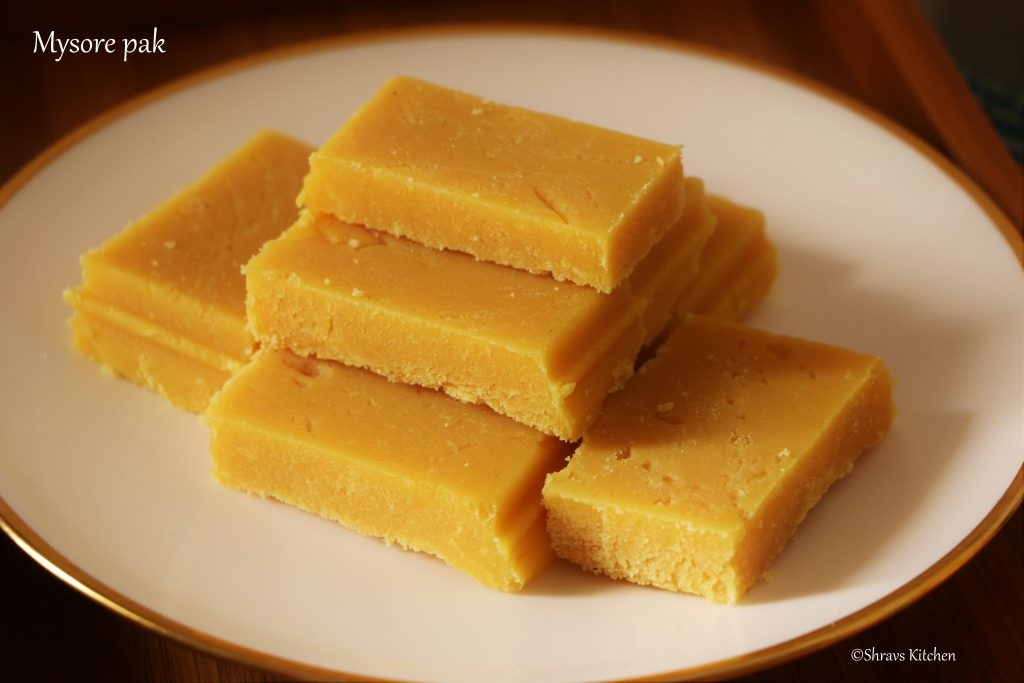
Mysore pak originally called Mysuru paaka, is an Indian sweet prepared in ghee that is popular in Southern India. It originated in Mysore in the state of Karnataka. It is made of generous amounts of ghee, sugar, gram flour. The texture of the sweet is similar to fudge.
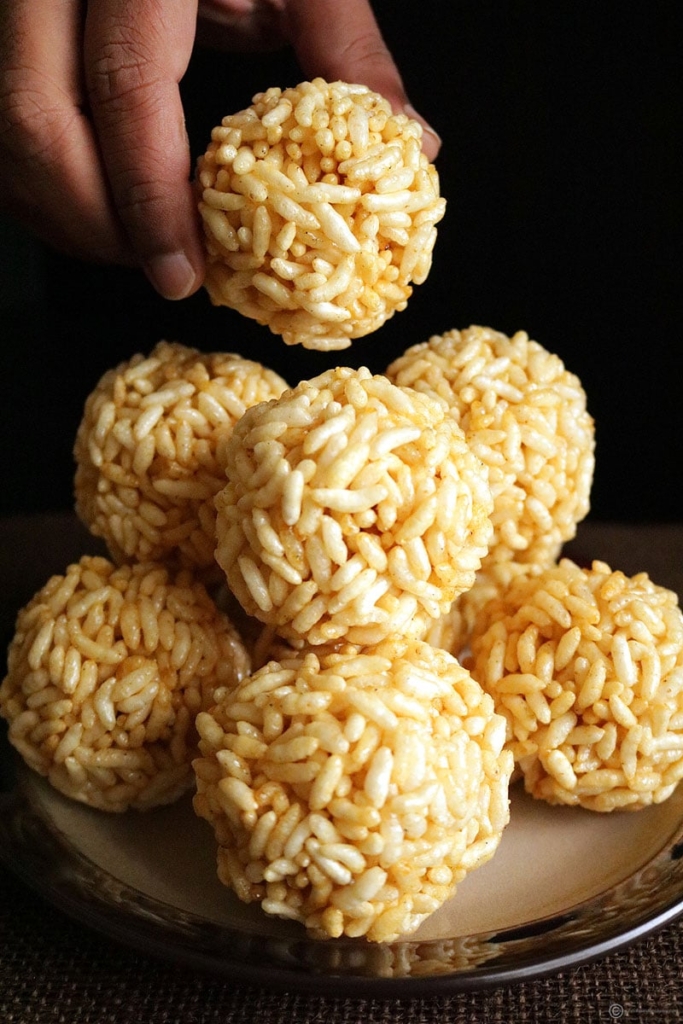
Pori urundai is a traditional Indian sweet generally made frompuff rice balls and jaggery.The preparation consists of first preparing the hot jaggery syrup with a minimum of water and adding it to puffed rice.Then ,they are moulded into spherical shape balls.
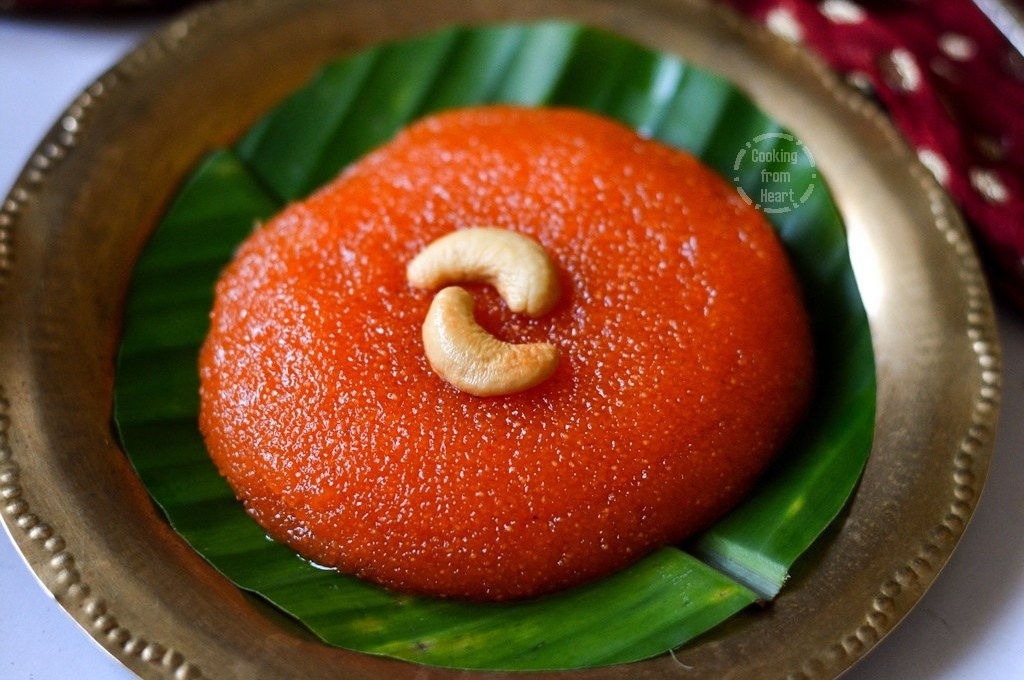
Rava Kesari or Kesari Bath consists semolina, sugar, ghee, water, and milk. The dish can also be prepared with pineapple, banana, mango, coconut or rice. It assumes the texture of a crumbled cake.
Indian Food Recipe: Mutton Roganjosh Mutton Roganjosh Recipe Ingredients Mutton – 1kg. mustard/refined oil – 1cup Red chilli powder – 3 tsp. fennel powder – 3 tsp. ginger powder – 2tsp. cumin powder – 2 tsp. black cardamom – 3 Asafoetida – 1 tsp. Green cardamom – 4 Cinnamon sticks – 2 Bay leaves – 2 Cloves – 2 saffron (optional) – ⅓ tsp. Yoghurt – 1 cup A pinch of salt Procedure Heat the oil in a pressure cooker. Now add cinnamon, bay leaves, green cardamom, cloves, a teaspoon of salt, asafoetida, and mutton. Fry the mutton until it turns brown in colour. Now add 1 cup of water, red chilli powder and saffron. Mix the yoghurt nicely and pour into the pressure cooker and mix well. Keep cooking and stirring until it appears red in colour. Now add 2 cups of water, fennel powder, ginger powder and pressure cook for 2 -3 minutes. Crush the green and black cardamom and add it to the cooker. Sprinkle some cumin powder cook for few more minutes. Serve hot. Image Credit: By gahdjun – Flicr, CC BY 2.0, https://commons.wikimedia.org/w/index.php?curid=3033005
Indian Food Recipe : Green Chutney Ingredients Chopped Mint Leaves – 2 cups Chopped coriander – 1 cup Lemon juice – 1tbsp, Chopped green chillies – 1tbsp. Chopped ginger – 1 tsp. Salt to taste Yield: 1.25 cups Procedure Combine all the ingredients in a blender and blend to a smooth paste, add some water if required. Serve with Tikkas, kebabs, Indian fried snacks, etc. Image Credit: https://www.vegrecipesofindia.com/green-chutney-for-chaat-recipes/
How to cook Mutton Curry In Tamil curry essentially means sauce. The curries are made from the combination of different types of spices along with yogurt or coconut milk. This combination will depend upon different regions of India. The curry is served either wet or dry depending upon the taste of people. They are made out of mutton, chicken, fish, prawns, eggs and vegetables. Requirements: Cubed 500 grams mutton Chopped onions 5 Ginger – garlic paste 1 tbsp made in 1 cup of water Chilli powder one a half teaspoon Green chilli paste 1 teaspoon Half cup tomato puree Coriander powder 1 tablespoon Turmeric powder half tablespoon Yoghurt 2 cups 8 black peppercorns and cloves 1 tsp – cumin seeds, 1 cup of coriander leaves neatly chopped Half of cup oil Salt to taste Cooking Methodology: Firstly flatten all the meat cubes into flat pieces. Now mix the yoghurt, chilli, turmeric, coriander powder and salt in the flat pieces of meat. Next step is to arrange half of the chopped onions in the pressure cooker at the bottom along with this arrange the pieces of meat along with yogurt mixture on the top of onions. Sprinkle ginger garlic water and rest of the onions then the whole spices Add 2 cups of hot water Pressure cook till done Now remove from the pressure cooker and cook until the gravy is thick. Once the gravy is thick add the tomato puree along with the oil Blend until the oil separates Garnish with coriander leaves and serve hot.
The cuisine of Bihar is largely similar to North Indian cuisine but has influences from other East Indian cuisines especially Bengali cuisine. The scrumptious and exotic Bihari dishes are highly capable of tingling the taste buds of every food connoisseur. Khaja is deep fried in oil and the ingredients use is wheat flour, sugar, mawa. It is very crispy. It tastes amazing when it melts in the mouth and its wafery texture makes it very tempting. It is known for its puffiness. Laung latika is a traditional dessert of the food of Bihar. At the centre is clove which makes it stand apart from the others. The pungent taste of the clove with the sweet stuffing dipped in sugar-syrup melts in the mouth. The complex amalgam of tastes altogether makes Laung Latika exclusive to Bihar. Litti Chokha can be considered as the dish of Bihar. It was started as a meal of poor and then was sold on carts on the street Chokha is prepared by mashing boiled vegetables ,adding spices and chopped onion, garlic etc and served with Litti as a complimentary delicacy. Malpua is a popular dessert sweetmeat that can be found in Bihar.It involves mixing flour, milk, sugar and mashed bananas and deep frying them so that the edges get crispy while the centre is still soft. Thekua is the most commonly prepared snack of Bihari food. It is a mixture of wheat flour and jaggery .One can also use rice flour instead of wheat flour and sugar instead of jaggery to make different varieties of Thekua. Tilkut is made from sesame seeds and jaggery makes its taste more flavored. Tilkut is cooked with a sugar base rolled into a ball filled with copious amounts of crushed sesame seeds. The tilkut gets tastier, softer with sesame seeds.
Gujarati food is more than just Dhokla. North Gujarat, Kacch, Kathiyawad and Surti Gujarat are the four major regions of Gujarat and each of these bring their own uniqueness to Gujarati cuisine. Dabeli, Kutch dabeli or double roti is a popular snack food originating in the Kutchof Gujarat. Dabeli literally means “pressed” in Gujarati.It is made with mixing boiled potatoes with a special masala and served with chutney, pomegranate and roasted peanuts. Fafda is a popular Gujarati snack. Fafda is usually yellowish in complexion. It is eaten with a chutney and salty fried-green chilis. Jalebi is sweet and crunchy making this sweet-savoury dish a favourite. Khaman is a food common in the Gujarat , made from soaked and freshly ground chana dal .The final touch to the soft and fluffy khaman is added with a garnishing of sesame seeds, mustard seeds, coriander leaves. It is a variant of Dhokla and has a lighter colour. Khichu is a dough for making papad made from rice flour, however, a few other flours are also used. The snack is prepared by cooking flour in water like porridge with cumin seeds and an alkaline salt known as Papad Khar.The name khichu is derived from the ductile nature of the dough. Khandvi consists of yellowish, tightly rolled bite-sized pieces and is primarily made of gram flour and yogurt. Khandvi is readily available across India and is commonly eaten as an appetizer or snack and is served with garlic chutney. Muthia is a staple of Gujaratis.The name is derived from the way it is made, from the ‘gripping’ action of the hand. Muthia assembles a shape of sausage. The inclusion of fenugreek makes Muthia good for bowel movement. Sev Tameta is made using juicy tomatoes served with heaps of besan sev. The gujrati version of the dish is a bit sweeter with the inclusion of jaggery.
Spinach (Paalak) Gravy When we are looking for some nutritious ingredient then spinach can be used in every type of dish including soup, parantha and rice too. Some people love to have it in a spicy flavor. This green vegetable is a store of vitamins and proteins which is very healthy. Contents of the dish: Spinach, 1.5 cups. Toor dal, ½ cup. Cumin seeds, 1.5 tsp. Dry red chillies. Grated coconut, 3 tsps. Garlic flakes. Tamarind. Tomato puree, 4 tsps. Salt as per taste. Methodology: To settle the toor dal and tamarind, soak them in water for few minutes. Clean the spinach and boil it in water. Make a fine paste of the toor dal, cumin seeds, coconut and red chillies. Now add this paste into the spinach with salt, tamarind water and garlic tomato puree. Season the dish with some gram dal, curry leaves and spinach and serve hot.
Malai Kofta Recipe The blend of rich creamy texture Malai and combination of Kofta (vegetarian balls) makes this cuisine scrumptious, finger smacking and delicious. In India, this combination was introduced by Moghuls. In ancient times, it is also referred to cooking style of Punjab of using Malai in food. Ingredients:- For Gravy Cream (125 Gms). Paneer or Khoya (75 gms). Milk (150 ml). Cashew nut- (50 Gms). White pepper powder (3 tsp.). Sugar (2.5 tsp.). Grated Ginger (2 tsp.). Nutmeg powder (¼ tsp.). Turmeric powder (1/2 tsp.). Garlic crushed (1 tsp.). Cinnamon (1). Cloves (6). Salt to taste. Ghee (3 tsp.). For Kofta Khoya (50 gms). Paneer (50 gms). Medium sized potatoes- (5). Cashew nuts- (20 Gms). Raisins (20 Gms). Chopped green chillies (4 to 5). Ginger grated (½ tsp.). Chopped Coriander (1 tsp.). Cumin seeds (1/2 tsp.). Salt to taste. For Garnishing Grated cheese or Paneer (1 tbsp.). Chopped coriander- (1 tbsp.). Cooking: Wash and boil potatoes. Mix all the ingredients of Kofta except raisins. Make small balls and then flatten it with cashew and raisins and then again make them into the balls. Repeat the procedure for the remaining dough and keep it on side. Roast cloves, cinnamon, cardamom together. Dry grind them, well grind all other gravy ingredients except ghee. In a skillet, heat ghee and then add dry powders, add gravy paste. After 2-3 minutes, then allow them to fry for 5-7 minutes. Now add 2 cups of water and let them simmer for 15 minutes on low flame. Warm the Kofta on tava. In a serving dish, place the Kofta and then add hot gravy on the koftas, Next place it in a hot oven for 5 minutes Serve hot with various breads or rice.
Indian Food Blog: Himachal Pradesh The snow-clad mountains, lush green valleys, the freshness in the air, tranquillity in the environment, these are a few things that describe Himachal Pradesh at its best. From the road vendors to the authentic cafes and restaurants, Himachali people will pour their hearts out in their dishes. Akotri is made with buckwheat mixed with wheat that is usually prepared on occasions of festivities.The thought of a buckwheat cake might not sound so great but is both scrumptious and healthy. With the goodness of ghee, it provides you with enough nutrients and calories to survive a good hike. Sidu is a local bread made from wheat flour. The flour is kneaded and set aside for some hours for the yeast to settle and the dough to rise. The dough is put on the bonfire to be par-cooked and then later steamed to complete the cooking. This distinct bread is usually enjoyed with ghee . Ambal has mouth-watering taste due to the mixed sweet- sour flavours. Ambal is pumpkin dish usually served with rice and rajma. The dish is neither totally liquid nor totally dry. This dogri dish packs a lot of flavours and is a must try during the winters. Madra is a delicacy that belongs to Chamba district of Himachal Pradesh. This dish consists of the soaked chickpeas or vegetables. Madra is one of those dishes that represents the food culture of Himachal Pradesh and is available at every restaurant, and on festivals, offered to you with utmost love. Rajma Chawal is a delicious dish and contains good quality of carbohydrate and protein that can suit your taste. This popular dish is loved by people of all age groups. Rajma Chawal is perfect for a Sunday brunch or on a get-together with family and friends. It is cooked by using rajma(kidney beans) rice, onions, tomatoes and melange of spices. Kheru is a very tasty and authentic himachali dish. It is served for breakfast, lunch or dinner. Kheru is prepared with sour curd, coriander seeds, onions. Kheru is usually served with piping hot rice but can also be eaten with rotis or parathas. Sepu Vadi is simply a mouth watering dish. Sepu Vadi is cooked mostly on wedding occasion in Himachal Pradesh .Normally this dish is made with spinach , curd gravy and split Urad Dal.