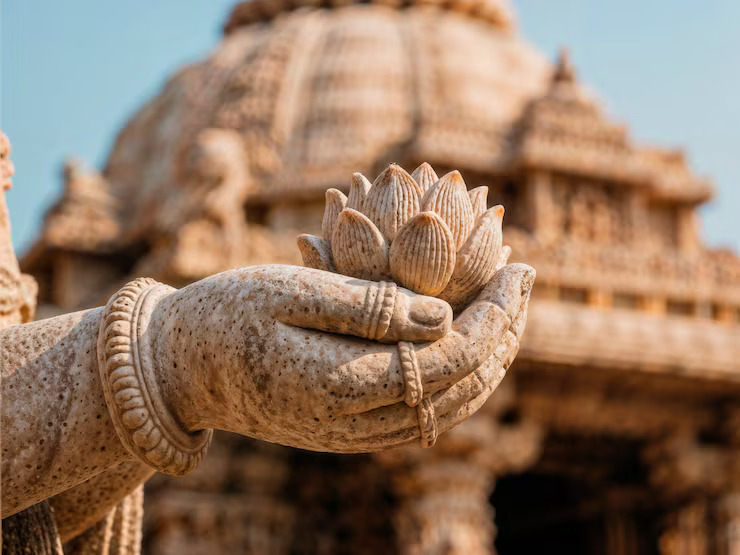
Tourism in India is a tale of amazing potential, confusing paradoxes, missed opportunities and massive under utilisation of resources. Compared to rest of the tourist hotspots around the world, India has mind boggling variety of tourist attractions of all types which can attract almost every single type of tourist out there. Ancient archaeological heritage of India which goes back to nearly 4000 years is spread all over India, from Laddakh to Kanyakumari.
India is blessed with such awe inspiring ancient monuments at a scale unrivaled by any other country in the world. Forts of Rajput rulers in Rajasthan, artful temples of Bundels, luxurious monuments constructed by Mughals, amazingly beautiful Konkan temples are just a small fraction of this wealth spread across it’s length and breadth. Adventure tourists have some of the best and virtually untouched destinations in Laddakh, Himachal Pradesh, Uttranchal, Sikkim, Mizoram and other north-eastern states . Wild life enthusiasts have the option of seeing some of the rarest wildlife not found anywhere else in world in Gir, Jim Corbett and many other national parks.
Adventure tourism, specially in north-eastern states has a lot of potential but hasn’t been explored even partially. The north-eastern states states have some of the best places for adventure activities like trekking, mountain climbing, camping and much more. Culinary tourism in India which has the biggest potential is just a small speck. Considering the vast culinary diversity of India, the country should be the top destination for all foodie tourists.
So many religions like Hinduism, Sikhism, Jainism and Buddhism originated in India and their followers from all over the world wish to visit places important to their faiths. Medical tourism in India due to high quality healthcare at very low prices attracts people from all over the world. Culture and food junkies can’t find any place better than India with it’s diversity in languages, people, food, music, literature and culture which go back thousands of years. To top that, India is one of the cheapest tourist destinations compared to most of western countries. There is no other country in the world which offers so much diversity in such a package. Anyone would think that with so many blessings, India would be the tourist hub of the world. To top it all, India is one of the cheapest destinations in the world for tourists.
In 2011, 62 lakh foreigner tourists arrived in India. Tourism sector in India employs nearly 4 crore people and is $ 121 billion dollar industry. Seems impressive, only till compared to 2.5 crore tourists per year Malaysia which has little to offer except beaches and and cheap shopping. Top tourist destination in world is France with 8.2 crore tourists in 2011 and 8.3 crore in 2012. India is not even in top 10 tourist destinations in world or even Asia. It’s actually ranked 38, preceded by countries like Saudi Arabia, Thailand, Egypt and even Tunisia. Just for sake of perspective, go through the following list:
( 1 million = 10 lakh, 100 lakh = 1 crore)
Country No. of tourists
Tourism in India is more than just Taj Mahal, Chandratal Lake, Spiti
Turkey 3.5 crore
Morocco 92 lakh
Tunisia 69 lakh
South Africa 80 lakh
China 5.8 crore
Saudi Arab 1.7 crore
Egypt 94 lakh
Thailand 1.9 crore
Looking at these figures, one can’t help but wonder what is wrong with Indian tourism sector. It’s not that people around the world are unaware of what India has to offer. Established travel forums like TripAdvisor and Lonely Planet are full of foreigners discussing and asking for information related to travel in India. Sections related to India are the ones with maximum number of posters. On Tripadvisor, India section has more than 10000 threads, exceeded only by 15000 threads of Thaliand. A lot people from all over the world wish to visit India but are turned away by numerous factors.
Some of such issues are:
1) Complicated visa procedures: Infamous Indian red tape and bureaucracy is a nuisance outside the country too. Unlike other tourist hotspots, India makes it much more difficult and expensive for tourists to get a visa. India offers on arrival visa to only a handful of countries including Finland, Japan, Luxembourg, New Zealand and 4-5 others. In comparison, Malaysia offers on arrival visa to majority of countries except Israel, India, China and some African countries.
2) Bad infrastructure : Even though rapid development is happening, India is still a long way from having a world class tourist infrastructure.
3) Safety : Image of India has taken a severe beating recently due to various factors. Pakistan sponsored terrorism in various parts of India is also a big turn 0ff.
4) Lack Of Promotion Unlike other countries where governments and private organisations, spend large amounts of money and effort to promote tourism in their own countries, Indian efforts in this case have been very limited. Incredible India campaign which was launched with much fanfare a few years back ran out of steam pretty quickly.
Above mentioned points are not unique to just India. A lot of countries face similar problems, have very little tourist attractions but still manage to attract many more tourists than India. We need to learn from them and make necessary changes as soon as possible. Some recent high profile projects like Golden Quadrilateral Highway project, Delhi Agra expressway, high speed trains with bio toilets etc are steps in right direction. But a lot more needs to be done. A lot of our customers are solo travelers, men and women of all ages. Some of them spend months or even years traveling inside India without facing any problem. But the recent bad press and selective reporting has messed up image of India badly. In an industry where perception counts for a lot, an effort has to be made to promote the attractions and good points of India rather than just the bad news.
Development of infrastructure accompanied by positive publicity should be the top priority for us. There have been small baby steps, but what we need is a sustained organised effort.
The food from Karnataka includes a wide range of vegetarian and non-vegetarian dishes and comprises of various cuisines that include Udupi, Malnadu and Mangalorean cuisine. Ragi and rice are the staple food items for Karnataka especially in the southern region of the state whereas natives from coastal regions mainly consume fish curries. Bisi bele bath is a spicy, rice-based dish with origins in the state of Karnataka.Bisi bele bhath, which translates to ‘hot lentil rice dish’ in Kannada language, is a wholesome meal. The preparation of this dish involves the use of masalas, toor dal, rice, ghee and vegetables. Spices like nutmeg, curry leaves and tamarind pulp contribute to its unique flavour and taste. Chiroti is a delicacy predominantly served in Karnataka.It’s prepared by rolling out kneaded dough made of maida into layered circular shapes and then deep frying in gheel. The outcome resembles a semi golden brown fluffy poori, which is then sprinkled with powdered sugar and grated almonds and cashews. Mysore Bonda is a very popular South Indian snack recipe which requires only a few simple ingredients. This mouth-watering snack is prepared with rice flour, baking soda, onion, all purpose flour, yoghurt, cumin. These are served with coconut chutney. Mysore pak originally called Mysuru paaka, is an Indian sweet prepared in ghee that is popular in Southern India. It originated in Mysore in the state of Karnataka. It is made of generous amounts of ghee, sugar, gram flour. The texture of the sweet is similar to fudge. Pori urundai is a traditional Indian sweet generally made from puff rice balls and jaggery.The preparation consists of first preparing the hot jaggery syrup with a minimum of water and adding it to puffed rice.Then ,they are moulded into spherical shape balls. Rava Kesari or Kesari Bath consists semolina, sugar, ghee, water, and milk. The dish can also be prepared with pineapple, banana, mango, coconut or rice. It assumes the texture of a crumbled cake.
Fever Tree, one of premium natural mixer brands held an event launching their premium brand, Robert Parker. The event was hosted by British High Commissioner Sir James Bevan. British deputy PM, Mr. Nick Clegg was guest of honour for the event. POST RELEASE New Delhi, 25th Aug 2014: The age of the dismal mixer is over with the introduction of Fever-Tree (The Premium Natural Mixer) in India. The capital witnessed the sophisticated launch of the iconic super premium brand Fever Tree, The World’s Best Tonic Water – Robert Parker. Making its foray into the Indian Market, this is the first venture of the company in the subcontinent and it has made headline for bring Indian Tonic Water back to India. The event was hosted by The British High Commissioner Sir James Bevan in honour of British Deputy Prime Minister Mr. Nick Clegg’s visit to India. The event was attended by Mr. Tim Warrillowm (co-founder & Director Fever Tree) and Mr. Anuj Kushwah (Managing Director Kaama Impex Pvt. Ltd) who is the importer & distributor for the Fever-Tree Brand in India. An exquisite evening of luxury, delight and splendor, the event celebrated amongst the crème de la crème of Delhi. Proudly served in 7 of the top 10 restaurants in the world Fever Tree is one of the most premium and iconic brand coming out of UK. India is the 50th export market for Fever-Tree. Fever-Tree was recently named Tonic of choice in an independent survey of the world’s leading bars and restaurants Mr. Anuj Kushwah, Managing Director of Kaama Impex Pvt Ltd says “Every decision we take at Kaama is keeping in mind the consumers needs and experiences, hence the choice of bringing Fever Tree to India. Fever-Tree is an iconic brand and we are proud to launch in India.” This August, Fever-Tree, the premium natural drink mixer company, will launch their Indian Tonic Water in India, the home of Gin & Tonic and the brand’s 50th export market. The British company, which sees 70% of sales come from export, is looking to continue its dramatic rise and commitment to bringing consumers the perfect gin and tonic wherever they are in world. Fever-Tree will travel as part of a UKTI delegation led by Deputy Prime Minister Nick Clegg across India. As part of the government policy to boost British export and David Cameron’s commitment to increase trade to £1trn by 2020, the trade envoy will hold events in Delhi, Mumbai and Bangalore from 25th -28th August. Founded in 2005, Charles Rolls and Tim Warrillow identified a need for premium mixers to accompany the fast growing array of superior spirits available on the market and travelled from the Congo to the Ivory Coast in pursuit of the highest quality ingredients. Fever-Tree now has a range of 14 natural mixers and an annual company turnover of £25 million. Tim Warrillow comments: “We are delighted to bring premium quality, full flavoured Indian Tonic Water back to the birthplace of the gin and tonic. In 1820, the Malaria-plagued British Army in India inadvertently created the cocktail by mixing their regular dose of quinine with sugar, water and local fruits and of course their daily ration of gin. We have been championing the gin and tonic boom across Europe over the past years and will now, almost two hundred years later, return an all-natural premium tonic water back to its spiritual home.” Charles Rolls comments: ‘India is now one of the five largest gin markets in the world and will provide us with a long-term platform for growth. Traditionally a whisky market, white spirits have grown in the region in recent years and we hope to capitalise on the popularity of Western drinking habits in bars, restaurants and hotels.” Since its launch, Fever-Tree has collected a vast number of awards, including the Queen’s Award for Enterprise, Exporter of the Year at The Grocer Gold Awards, and the Ernst & Young Entrepreneur of the Year for London and the South. For the third year, Fever-Tree was earmarked by The Fast Track 100 as the fastest growing non-alcoholic drinks company in the UK and included in the highly respected list. About Fever-Tree Founded in 2005, the company is one of the UK’s fastest growing companies with a turnover of £25 million in 2013. Fever-Tree sources the world’s finest ingredients from natural sources, including quinine from the Democratic Republic of the Congo, ginger from the Ivory Coast, India and Nigeria, and lemons from the slopes of Mount Etna, Sicily. Fever-Tree has a portfolio of 12 mixers which are available to buy in the UK from Sainsbury’s, Tesco and Waitrose. Fever-Tree products are served in the most prestigious venues across the world, from Claridges in London to Raffles in Singapore and the Burj Al Arab in Dubai.
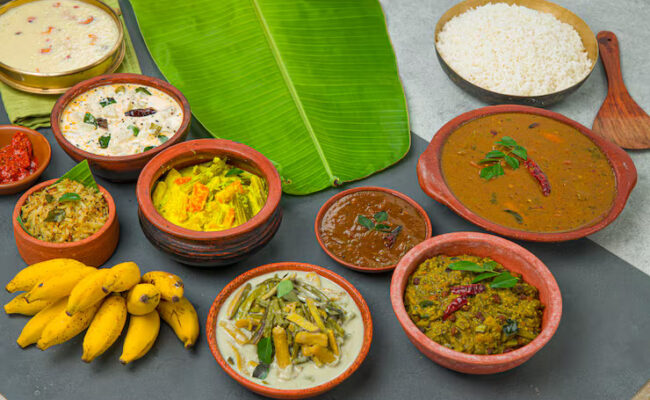
The food of Kerala is a blend of both vegetarian and non-vegetarian options. It includes a variety of items like fish, poultry and red meat. Rice, fish and coconut are the three most common ingredients of Keralite food. Banana chips and Kerala go hand in hand.Most of the tourists prefer banana chips as their snacks as they are easily available and can be tried at any time of the day. Banana chips are dried slices of bananas.They can be covered with sugar or honey to have a sweet taste, or they can be fried in oil and spices to have a salty or spicy taste. Cheera Parippu Thoran or spinach stir fry with coconut is for health conscious people who are looking for a dish that is healthy and is very less in calorie count.The dish is made using leafy vegetables. It makes the best side dish which one can either try with roti, rice. It is a rich source of minerals, vitamins, and iron. Ela Ada is one of those dishes which represent the best and authentic flavors of South India.The dish comprises of rice, coconut, jaggery, etc.One can try this dish for either breakfast or can even as an evening snack. Idiyappam is also known as Noolappam in Kerala cuisine. Idiyappam is made of rice flour, salt and water with a number of thin strands entwined together to make the lovely texture that this dish bears. It is this texture that makes it versatile. It tastes best with Egg Curry. Parippu vada or masala dal vada is a savoury fried snack in Kerala. It is made from legumes and is best consumed for breakfast. Sambar and coconut chutney are the standard accompaniments for Parippu vadas. Puttu and Kadala curry is a famous breakfast recipe out of the many Kerala. Puttu is a cylindrical steamed rice cake that is cooked in a mould with grated coconut. It is served with kadala curry(black chickpeas).It tastes best when served with poori or with roti. Semiya Payasam or popularly known as Vermicelli rice is one of the most famous and popular sweet dishes of Kerala.It is prepared only for some special festivals and occasions. It is served in mud pots which makes the dish even tastier and attractive for the tourists. It is served with lots of nuts and is made using milk, rice, etc. thus is one healthy dish to try.
Haryana is one of the wealthiest states in India with kindhearted people. The occupation of the majority of the people is agriculture and dairy. Predominantly, Haryanvi diet is a vegetarian one and they consume a lot of milk and ghee. Haryana is also referred to as ‘The Land of Rotis”. Alsi ki Pinni is prepared with alsi (flaxseed), whole wheat flour, sugar, ghee, nuts and cardamom powder. This sweet is not only delicious but also very healthy. Alsi is high in fiber, omega 3, iron and potassium among others. Bajra Aloo Roti is prepared with a mix of bajra flour, mashed potatoes, ginger garlic paste, coriander leaves, garam masala. It is served hot with white butter with raita as accompaniments. It tastes heavenly and just melts in the mouth. Hara Dhania Cholia is a mix of green chickpeas and variety of vegetables. It is prepared with onion, tomato, red chili powder, cumin seeds, coriander leaves and turmeric amongst others. It is a rare and unique combination that is popular in Haryana and is eaten with chapatis or paranthas. Meethe Chawal or sweet rice are prepared using basmati rice, ghee, and sugar along with some cardamom and saffron. Basmati rice grown in Haryana is the best. The dish is very famous and is served during Basant Panchami festival.Every individual must try it at least once.
The cuisine of Bihar is largely similar to North Indian cuisine but has influences from other East Indian cuisines especially Bengali cuisine. The scrumptious and exotic Bihari dishes are highly capable of tingling the taste buds of every food connoisseur. Khaja is deep fried in oil and the ingredients use is wheat flour, sugar, mawa. It is very crispy. It tastes amazing when it melts in the mouth and its wafery texture makes it very tempting. It is known for its puffiness. Laung latika is a traditional dessert of the food of Bihar. At the centre is clove which makes it stand apart from the others. The pungent taste of the clove with the sweet stuffing dipped in sugar-syrup melts in the mouth. The complex amalgam of tastes altogether makes Laung Latika exclusive to Bihar. Litti Chokha can be considered as the dish of Bihar. It was started as a meal of poor and then was sold on carts on the street Chokha is prepared by mashing boiled vegetables ,adding spices and chopped onion, garlic etc and served with Litti as a complimentary delicacy. Malpua is a popular dessert sweetmeat that can be found in Bihar.It involves mixing flour, milk, sugar and mashed bananas and deep frying them so that the edges get crispy while the centre is still soft. Thekua is the most commonly prepared snack of Bihari food. It is a mixture of wheat flour and jaggery .One can also use rice flour instead of wheat flour and sugar instead of jaggery to make different varieties of Thekua. Tilkut is made from sesame seeds and jaggery makes its taste more flavored. Tilkut is cooked with a sugar base rolled into a ball filled with copious amounts of crushed sesame seeds. The tilkut gets tastier, softer with sesame seeds.
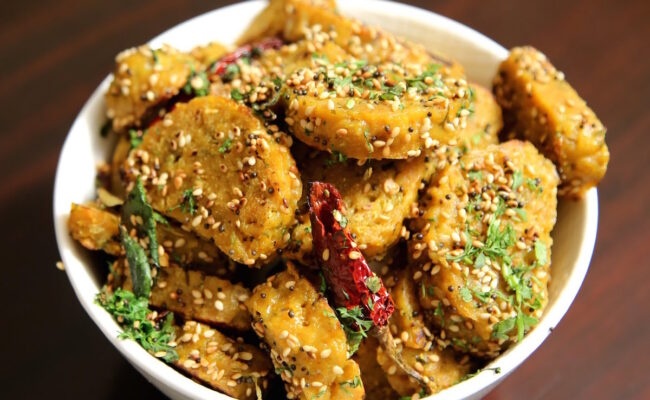
Gujarati food is more than just Dhokla. North Gujarat, Kacch, Kathiyawad and Surti Gujarat are the four major regions of Gujarat and each of these bring their own uniqueness to Gujarati cuisine. Dabeli, Kutch dabeli or double roti is a popular snack food originating in the Kutchof Gujarat. Dabeli literally means “pressed” in Gujarati.It is made with mixing boiled potatoes with a special masala and served with chutney, pomegranate and roasted peanuts. Fafda is a popular Gujarati snack. Fafda is usually yellowish in complexion. It is eaten with a chutney and salty fried-green chilis. Jalebi is sweet and crunchy making this sweet-savoury dish a favourite. Khaman is a food common in the Gujarat , made from soaked and freshly ground chana dal .The final touch to the soft and fluffy khaman is added with a garnishing of sesame seeds, mustard seeds, coriander leaves. It is a variant of Dhokla and has a lighter colour. Khichu is a dough for making papad made from rice flour, however, a few other flours are also used. The snack is prepared by cooking flour in water like porridge with cumin seeds and an alkaline salt known as Papad Khar.The name khichu is derived from the ductile nature of the dough. Khandvi consists of yellowish, tightly rolled bite-sized pieces and is primarily made of gram flour and yogurt. Khandvi is readily available across India and is commonly eaten as an appetizer or snack and is served with garlic chutney. Muthia is a staple of Gujaratis.The name is derived from the way it is made, from the ‘gripping’ action of the hand. Muthia assembles a shape of sausage. The inclusion of fenugreek makes Muthia good for bowel movement. Sev Tameta is made using juicy tomatoes served with heaps of besan sev. The gujrati version of the dish is a bit sweeter with the inclusion of jaggery.
Goa is popular not only for its beaches, parties and nightlife, but it also has some superb street foods. Street food in Goa excels in all aspects and there is no denying to the fact that street food both South Goa and North Goa is lip-smacking. Bebinca is a type of pudding and a traditional Indo-Portuguese dessert. Traditional Bebinca has seven layers. The ingredients include plain flour, sugar, ghee, egg yolk, and coconut milk. It is a traditional sweet of Goa .It is also easily available to carry and preserve for a long time or eaten fresh. Chorizo Pav is a famous delicacy in Goa. Locals enjoy it as a breakfast item or even as a tea-time snack. Eaten with bread, this spicy pork meat preparation is made using a pre-cooked sausage, onions and potatoes. Gadbad Ice Cream , Goan’s favourite is served in a tall glass or bowl. It is a combination of different ice creams served in one serving, topped with noodles and jelly. The perfect summer special everyone will enjoy the Gadbad Ice Cream on a hot summer day. Vindaloo represents the diverse culture of Goa. One of the most popular street foods in the state, it is known for its spicy flavors enriched with vinegar. Made with boneless pork, a variety of Indian spices are added to the dish to make its taste memorable, including cloves, cumin, cinnamon, Kashmiri pepper and many others Ras Omelette is a regular omelette served with some chicken curry.It is garnished with coriander, onions and a dash of lime juice sprinkled on top of the completed dish and has omelette dipped in it.
What tourists should know about traveling in India during monsoons Unlike what many people think, traveling in India during rainy monsoon season can be fun. Sure, there are usual reasons against it like unreliable routes, humid weather etc. A random flood or land slide can spoil any well planned travel itinerary. But traveling in India during monsoon season can be advantageous for a number of reasons. Tourists get great discounts on air fares, hotels and also enjoy their sightseeing as peak season crowds are absent. Let us explain a little about Indian monsoons before going any further. India is a a very big country and is justly classified as a sub-continent not only due to it’s size but also the large diversity in terms of landscapes and weather. Evergreen tropical forests in east, cold snow covered Himalayan mountains in north, hot Thar deserts in west, temperate coasts in south and more, these all provide tourists with a wide variety of options and time periods in which to explore the country. There is actually no definite or set time to visit India. Different regions have different peak-season for tourists , but that will need another article by itself. Monsoon is the rainy season in India which lasts from June to September in different parts. It hits Kerala in southern India first in early June and travels northwards. Northern parts of India receive first monsoon showers late June or early July. Not every region experiences equal rainfall or at same time. They all have different experiences with monsoon rains. These rains are very important in economy and lives of everyone in the sub-continent. The arrival of monsoon rains marks the end of infamous hot and dusty Indian summers and makes the conditions cooler and surroundings much more green and beautiful. Indian people like rains and seeing them enjoying the rainfall by getting soaked in the rain showers is a common sight. One of the most common snacks during this season is a combination of Chai ( type of milky Indian tea) and hot Pakoda (a fried salty snack) Here is how tourists can enjoy monsoon travel in India Advantages of traveling during monsoons in India 1) Good discounts in hotels, airlines and other businesses A lot of airlines and hotels offer very good discounts during monsoons due to lean season, which can really decrease your travel expenses. As the majority of people like to stay indoors during rains, tourist activity is much less and you can enjoy your travel in comparative peace and leisure. 3) Different weather, landscapes and customised plans Due to different landscapes and weather in different regions, tourists in India can plan their trips all year round. A tourist in India is not bound to dates in a calendar or weather reports to plan and enjoy the journey. 3) Greenery and pleasant weather Everything comes to life during monsoons in India. The weather is pleasant, cool breeze blow almost all day long and the surroundings are covered with lush new greenery which is a relaxing sight . Places like parts of eastern and central India, Kerala, Western Ghats are even more stunning during monsoons due to clouds and greenery. A lot of rivers are in full flow and this makes for spectacular waterfalls. 4) Cleansing season Many people think that rains of monsoons are have a cleansing effect, Pollution due to smoke and dust particles is minimised and people are generally more comfortable in this cooler weather. Ayurvedic detoxification during monsoon is very popular these days. Some herbs used in certain ayurvedic practices grow only during monsoons and the rains seem to have a good effect on efficacy of certain plants. Precautions for travelers in India during monsoon season Here are some basic precautions that the tourists should observe while traveling in India during monsoons: 1) Carefully plan road trips Mountainous regions almost everywhere are susceptible to road blockages due to landslides, flash floods etc during rainy season. Plans your road trips by taking these factors in to count. 2) Closed wild life parks Most of national parks and wild-life areas are closed for tourists during monsoons. So if you are looking for clicking a rhinoceros, tiger or any other exotic animal, confirm the availability in advance. 3) Consume safe water Although it’s a very general rule, we can’t stress this enough. Don’t drink tap water or even from natural sources like lakes and rivers during rainy season. Always stick to bottled or filtered water. 4) Be cautious of bugs Bugs and other critters like mosquitoes, flies, snakes etc can be a nuisance during rainy season. Keep an insect repellant handy and be careful of where you step or sleep/ That’s everything that we have to say about traveling in India during rainy monsoons for now. We hope that this article may be of some use for travelers. Please feel free to contact us for feedback or more information.