Various varieties of Chaat are some of most popular Indian street food dishes and quite more than just snacks for people in India. Chaat is among the lightest, cheapest and most convenient meal to have when someone is in a hurry. Indian street food is incomplete without a mention of chaat. A confusing point that many people don’t get is that a lot of Indian street food items are called chaat. Some of more popular chaat dishes are papdi chaat, gol gappa also called paani puri,and bhalla chaat. Chaat is a street food dish, but some kind of it always served during most parties in India. Even posh, high-end restaurants have started serving chaat items, but they are often beaten by the street food vendors who have been doing it for generations A large number of chaat food items exist in India, many with completely different flavours, looks and ingredients from the rest. Many chaats are eaten cool and thus are enjoyable even in summer. Pani puris for example, are just water flavoured with digestive spices served in hollow balls made of crisp flour. Sometimes they are garnished with chick peas and boiled mashed potatoes. The flavoured water is usually salty made using pudina (mint), rock salt, pepper, and some other ingredients depending upon where you eat it. For people who like sweetness, bit of sweet and tangy tamarind chutney is added. A number of different flavours among pani puris are available catering to almost every type of fan. The flavoured water is considered to help with digestion and is useful in preventing dehydration during hot summers of India. Many people drink pani puri water by cups.
Puris are the most common ingredients for other types of chaats. They are small, crisp and crackle loudly when broken. Boiled or fried potatoes and two or more types of chutney ( a type of sauce) are also used. One chutney, made of imli (tamarind) is sweet and tangy . Second one is spicy and made of pudina (mint), ginger and green chillies.
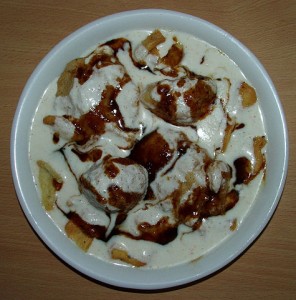
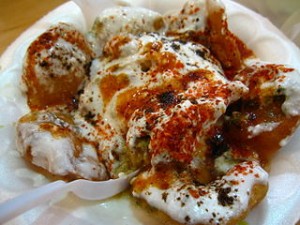
Many street food items, including chaat may or may not have dahi (curd, yooghurt), another popular food item in India. It helps with digestion and makes tolerating excess spiciness easy for people who are not used to it. Dahi bhalla chaat is a very popular and tasty street food item, specially popular during summers. The yoghurt is thickened and sometimes sweetened, giving it a smooth creamy texture which gels really well with bhalla . It is sometimes sprinkled with chaat masala, onion garnishing and bits of fried potatoes. Chaat masala is another thing which helps with digestion but is used more in a wa, not just to increase the flavours. It may have different varieties and ingredients in different places. Most popular are powders of , dried raw mango (aam choor), ginger, pepper, rock salt and dried pomegranates ( anaar daana). Apart from their use as chaat masala, these ingredients are also used in combination with other different ingredients as churan to help with digestion.
Bhel puri, from Maharashtra is a very tasty light snack made of sev ( thin noodle like crisps made of besan) and puffed rice. They are sprinkled with chaat masala, chutney and garnished with tomatoes and onions. It’s a good snack to have, light on stomach and low on oil.
Aaloo tikki is another very popular chaat dish made of boiled and then crisply fried potato cakes. They are served as soon as they are cooked, garnished with chaat masala, chutney and sometimes yoghurt. It’s a heavy dish due to fried potatoes but it’s popular all the same. McDonalds in India even launched a McAaloo Tikki burger to cash in on its popularity. Even if the chaat may seem heavy or tough to digest, yoghurt and chat masala make sure that your digestive system stays fit and healthy. As with everything else, it’s not good to eat chaat in excess, especially if you don’t know about Indian food in details
How to eat chaat or any other food in India
While traveling in Delhi or any other Indian city, you will find a number of street food vendors selling different varities of food with chaat vendors being a significant majority. Some of them will be there just to make a quick buck and be done with the whole thing, while others serve their food with pride and care for customers. Important thing is to know how to distinguish between the two. Good street food vendors care for their clientele and serve only the best quality food. You can tell it from their loyal customers.
Make sure that the food vendors you visit obey basic hygiene rules. Confirm that the food ingredients are covered and protected from dust and flies. Most street food vendors use disposable plates, but if they are not, make sure that they are clean. Read this article to know more about how to keep safe from water and food related problems while traveling.
We hope that this article will help you enjoy Indian street food, specially chaat better. Happy munching. Contact us for feedback, queries or for booking an Indian street food tour.
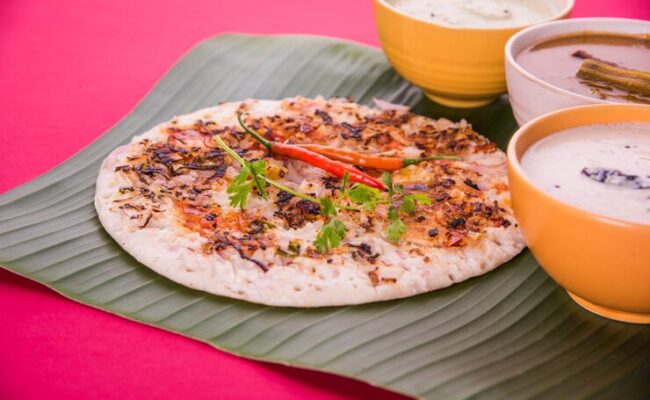
Uttapam Recipe Uttapam is made from the blend of Urad dal and rice. This combination is excellent and vital for health and has greater nutritious values like vitamin B, folic acid and other protein. In India this south Indian dish can be served during brunch, lunch or dinner. The cuisine was initially discovered in 1st Century A.D. The same is eaten all across India especially in hotels which serve South Indian Cuisine. Ingredients:- Dosa Batter- 1 Cup. Tomato- 1. Small onion- 1. Broken Cashew nuts- 5-7 pieces. Green chillies 1-2. Coriander leaves- 1 bunch. Cooking Method : Wash and chop all the ingredients then mix it batter. Add salt as per taste. Now take a non stick pan and heat it. Cover the pan by adding teaspoon of oil. Now slowly flip it and let other side get cooked. It should smell nice and crisp. Serve it hot with the combination of coconut chutney.
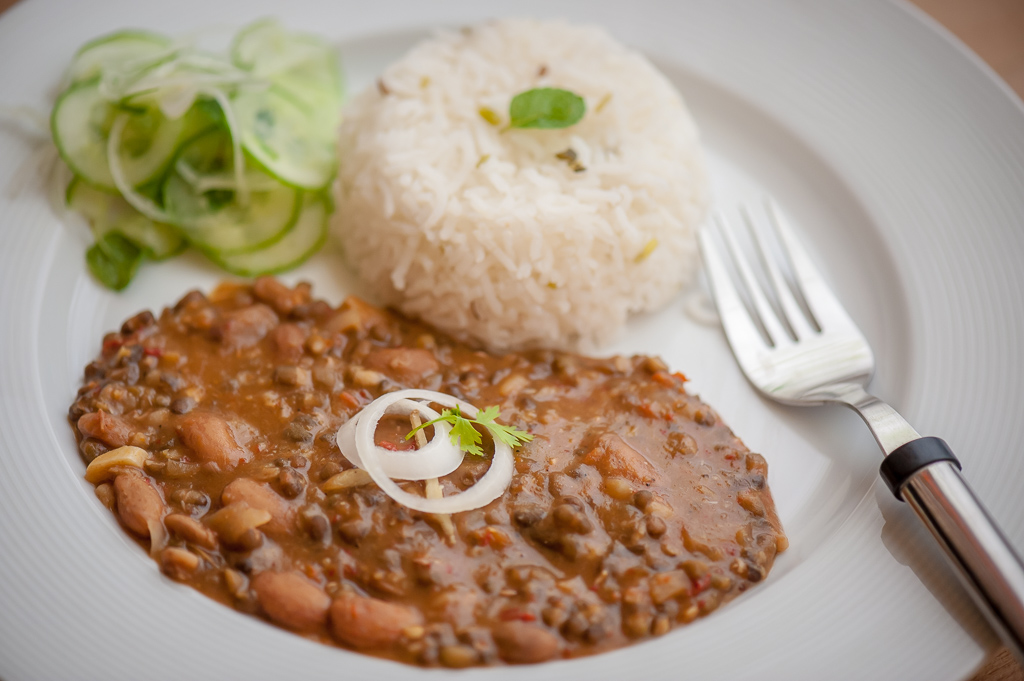
Indian Food Recipe : Green Chutney Ingredients Urad Dal – ¾ cup Chana Dal – 1 tbsp. Rajma – 1 tbsp. Onion – 1 Ginger – 2 tbsp. Green chillies – 4 Tomato – 1 Fresh cream – ⅓ cup Yoghurt – ⅓ cup Chilli powder – 1/2 tsp. Turmeric powder – ½ tsp. Cumin seeds – 1 tsp. Ghee – 2 tbsp. Salt – to taste Serves : 6 Procedure Soak the dals for 5 hours. Chop green chillies, ginger, onions and tomatoes. Now pressure cook the dals with water. Mash well with a masher and boil again for 20 minutes. Add the yoghurt and cream to the dal. In a vessel heat ghee and fry the onions, chillies and ginger and cumin for a few minutes. Now add tomatoes, turmeric and chilli powder and fry. Add dal and balance the salt. Cook for some more time. Serve hot with chapati or rice Image Credit: By Radhikamprabhu82 – https://commons.wikimedia.org/w/index.php?curid=40987022
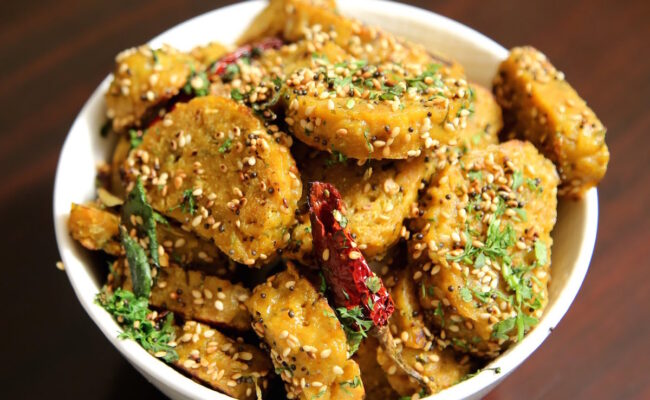
Gujarati food is more than just Dhokla. North Gujarat, Kacch, Kathiyawad and Surti Gujarat are the four major regions of Gujarat and each of these bring their own uniqueness to Gujarati cuisine. Dabeli, Kutch dabeli or double roti is a popular snack food originating in the Kutchof Gujarat. Dabeli literally means “pressed” in Gujarati. It is made with mixing boiled potatoes with a special masala and served with chutney, pomegranate and roasted peanuts. Fafda is a popular Gujarati snack. Fafda is usually yellowish in complexion. It is eaten with a chutney and salty fried-green chilis. Jalebi is sweet and crunchy making this sweet-savoury dish a favourite. Khaman is a food common in the Gujarat , made from soaked and freshly ground chana dal .The final touch to the soft and fluffy khaman is added with a garnishing of sesame seeds, mustard seeds, coriander leaves. It is a variant of Dhokla and has a lighter colour. Khichu is a dough for making papad made from rice flour, however, a few other flours are also used. The snack is prepared by cooking flour in water like porridge with cumin seeds and an alkaline salt known as Papad Khar.The name khichu is derived from the ductile nature of the dough. Khandvi consists of yellowish, tightly rolled bite-sized pieces and is primarily made of gram flour and yogurt. Khandvi is readily available across India and is commonly eaten as an appetizer or snack and is served with garlic chutney. Muthia is a staple of Gujaratis. The name is derived from the way it is made, from the ‘gripping’ action of the hand. Muthia assembles a shape of sausage. The inclusion of fenugreek makes Muthia good for bowel movement. Sev Tameta is made using juicy tomatoes served with heaps of besan sev. The gujrati version of the dish is a bit sweeter with the inclusion of jaggery.
The food from Karnataka includes a wide range of vegetarian and non-vegetarian dishes and comprises of various cuisines that include Udupi, Malnadu and Mangalorean cuisine. Ragi and rice are the staple food items for Karnataka especially in the southern region of the state whereas natives from coastal regions mainly consume fish curries. Bisi bele bath is a spicy, rice-based dish with origins in the state of Karnataka.Bisi bele bhath, which translates to ‘hot lentil rice dish’ in Kannada language, is a wholesome meal. The preparation of this dish involves the use of masalas, toor dal, rice, ghee and vegetables. Spices like nutmeg, curry leaves and tamarind pulp contribute to its unique flavour and taste. Chiroti is a delicacy predominantly served in Karnataka.It’s prepared by rolling out kneaded dough made of maida into layered circular shapes and then deep frying in gheel. The outcome resembles a semi golden brown fluffy poori, which is then sprinkled with powdered sugar and grated almonds and cashews. Mysore Bonda is a very popular South Indian snack recipe which requires only a few simple ingredients. This mouth-watering snack is prepared with rice flour, baking soda, onion, all purpose flour, yoghurt, cumin. These are served with coconut chutney. Mysore pak originally called Mysuru paaka, is an Indian sweet prepared in ghee that is popular in Southern India. It originated in Mysore in the state of Karnataka. It is made of generous amounts of ghee, sugar, gram flour. The texture of the sweet is similar to fudge. Pori urundai is a traditional Indian sweet generally made from puff rice balls and jaggery.The preparation consists of first preparing the hot jaggery syrup with a minimum of water and adding it to puffed rice.Then ,they are moulded into spherical shape balls. Rava Kesari or Kesari Bath consists semolina, sugar, ghee, water, and milk. The dish can also be prepared with pineapple, banana, mango, coconut or rice. It assumes the texture of a crumbled cake.
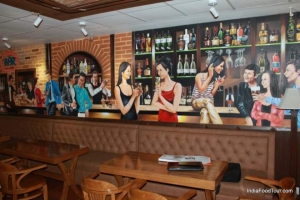
Malcha Marg is a nice, quiet place for spending a lazy day doing nothing away from deafening traffic and crowd of New Delhi. The opening of Schengen- Deli, Bistro, Pub in the area has added one more place to relax and have some good food and drinks. The property commands a nice, green view of the area from it’s small but well designed outdoor seating. Upon entering, the place looks small, but there are 3 floors and one basement, each with a different decor and ambiance including one outdoor section. We were particularly impressed by the wall art and innovative use of furniture and space. Interiors are an amalgam of different styles and are tastefully done. The designers have done a great job of getting the best out of small area on each floor and it doesn’t feel cramped or congested even with a fairly large number of guests. According to management, the basement will have a European themed deli soon. Our time of visit was late afternoon with a weak sun and we decided to sit on the balcony outdoors. Both food and drinks menu are fairly detailed and have a number of generic as well as special items. We were hungry and wanted to taste as many dishes as possible. We requested Chef Piyush to suggest a few dishes of his choice and after asking us about our preferences, he suggested a few which went on perfectly well with our palettes. To begin with, we were served Roast Pumpkin and Scamorza Soup with cinnamon. It was thick, mildly flavoured and had great aroma. Addition of a small cinnamon stick was a nice touch. Bread basket had 4 different breads and bread sticks. Each one was soft and freshly baked. Next serving was that of Rocket, Apple and Walnut salad along with Mushroom and Haloumi Kebabs. Not everyone is a big fan of salads, but this one with glazed walnuts, green apple slices and fragrant rocket leaves was a pleasant surprise. The flavours were quite good with no extras like olive oil, vinegar etc to mask the taste. The kebabs were made of shiitake mushrooms, button mushrooms, haloumi cheese, tomatoes and bell peppers served on a wooden skewer. Cheese and mushrooms were cooked to perfection while tomatoes and bell peppers were fresh and juicy. While we were tasting these, Gaurav the bartender of place served Monk’s Habit, a white rum based cocktail with cardamom, hazel nut and pineapple. The drink was slightly on the sweeter side with a mild alcohol kick. Next item on the serving menu was pasta cooked in red Arrabiata sauce. Normally it’s supposed to be spicy, but the most dominating flavour was that of ripe tomatoes which was slightly disappointing. By this time, we had finished Monk’s Habit and asked Gaurav for his specialty drinks. He came back with Raz Matazz and Garoth. Former is a vodka and cointreau drink mixed with grape juice and lime leaves. It comes with a nice refreshing fruity flavour and is a great drink for warm days. Garoth on the other hand was served warm as a winter drink and it was our unanimous favourite. It was a blend of brandy, cognac served with ginger, lemon slices, star anise. This is one thing that one should absolutely try. We requested Piyush to suggest something again for main course and he brought a delicious looking Braised Lamb Shanks on Ratatouille. If there is a benchmark for it, we’ll have to give full marks for the way of presentation. The lamb shank was served along with mashed potatoes and a mix of different vegetables like pumpkin, tomatoes etc. The meat was well cooked, soft and came off easily from the bone. We had it with a small helping of tabasco sauce. The dessert was a mouth watering double chocolate mousse which tasted as good as it looked with a strawberry topping. It had a thick texture, multiple chocolate layers and felt great in mouth. SUMMARY & COMMENTS: Overall it’s a beautiful place with great interior, peaceful location, good drinks and food menu with well trained and attentive staff. Food is cooked according to western palettes and is great choice for expatriates who live nearby as well as locals who want to taste good European cuisine. During the time we were there, there were 4-5 tables occupied by foreigners including families. The food is very good and only thing that we didn’t like that much was the pasta. Everything else including the salad, kebabs and lamb were cooked well and worth checking out. Cocktails are excellent and you can trust the staff to bring you the best according to your preferences. Prices are reasonable considering the quality of service, location and ambiance of the place. The bar is a nice place for hanging out with friends after work. Other two floors including the terrace are perfect for almost everything including long, leisurely meals and quick business lunches.
Palak Paneer Palak Paneer is a north Indian dish , especially made in Dhabas .Dhabas are mini restaurant on the highway especially found in the north of India the best ones being in Punjab. According to nutritionists Palak and Paneer is an excellent combination of proteins and vitamins. It is also an extremely tasty combination. Ingredients 1 bunch Palak. 2 tomatoes large. 2 tbsp. ginger garlic paste. 1 tsp. dhania powder. 1 tsp. jeera powder. 1 onion 3 green chillies 200 g Paneer. Salt to taste. 2 tbsp. oil or butter. To garnish 1 tbsp. of cream. Methodology Blanch the spinach in hot water Keep it covered for 10 mins When done, blend it with green chillies and water to make the Palak pulp. Boil the tomatoes. Remove the skin and make tomato pulp by grinding in a mixer Heat oil/butter , put onions and when they turn brown add the ginger garlic paste Add the masalas and tomato pulp Now add the Palak pulp and salt. Cover and cook for 7-10 minutes Add the Paneer pieces and turn off the flame Garnish with cream and serve with roti.
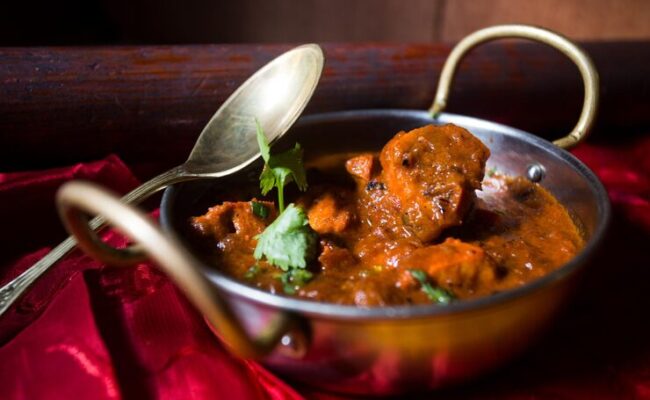
How to cook Mutton Curry In Tamil curry essentially means sauce. The curries are made from the combination of different types of spices along with yogurt or coconut milk. This combination will depend upon different regions of India. The curry is served either wet or dry depending upon the taste of people. They are made out of mutton, chicken, fish, prawns, eggs and vegetables. Requirements: Cubed 500 grams mutton Chopped onions 5 Ginger – garlic paste 1 tbsp made in 1 cup of water Chilli powder one a half teaspoon Green chilli paste 1 teaspoon Half cup tomato puree Coriander powder 1 tablespoon Turmeric powder half tablespoon Yoghurt 2 cups 8 black peppercorns and cloves 1 tsp – cumin seeds, 1 cup of coriander leaves neatly chopped Half of cup oil Salt to taste Cooking Methodology: Firstly flatten all the meat cubes into flat pieces. Now mix the yoghurt, chilli, turmeric, coriander powder and salt in the flat pieces of meat. Next step is to arrange half of the chopped onions in the pressure cooker at the bottom along with this arrange the pieces of meat along with yogurt mixture on the top of onions. Sprinkle ginger garlic water and rest of the onions then the whole spices Add 2 cups of hot water Pressure cook till done Now remove from the pressure cooker and cook until the gravy is thick. Once the gravy is thick add the tomato puree along with the oil Blend until the oil separates Garnish with coriander leaves and serve hot.
Indian Food Recipe: Butter Chicken With its rich, velvety sauce and succulent tandoori chicken, this butter chicken recipe promises to satisfy your cravings for authentic flavours. Recreating the traditional smokiness of tandoor-cooked chicken, we opt for roasting followed by a quick broil in the oven. Serve this aromatic dish alongside salad, rice, or naan for a complete culinary experience. Yield: 4 to 6 servings Ingredients: For the Marinade: 2.25 lb/1 kg chicken thighs, skinless, bone-in, or 2 lb/910 g chicken thighs, skinless and boneless, cut into 1 in/2.5 cm cubes ½ cup/120 g plain unsweetened Greek yogurt 2 Tbsp fresh lemon or lime juice 1 Tbsp grated garlic 1 Tbsp grated ginger 1 Tbsp garam masala (homemade or store-bought) 1 tsp ground Kashmiri chilli powder 1 tsp kasoori methi (optional) ½ tsp ground turmeric ½ tsp fine sea salt For the Butter Chicken Sauce: ½ stick/55 g unsalted butter 1 Tbsp vegetable oil 1 Tbsp Kashmiri chilli powder 2 tsp ground toasted cumin 1 Tbsp grated garlic 1 Tbsp grated ginger 1 tsp garam masala (homemade or store-bought) 1 green chilli (such as jalapeno, serrano, or Bird’s eye) ¾ cup/180 g tomato paste 1 cup/240 ml heavy cream 1 Tbsp fresh lemon or lime juice Fine sea salt, to taste 2 Tbsp chopped cilantro, tender stems and leaves 1 Tbsp salted butter for garnish (optional) Instructions: If using bone-in chicken thighs, make 2 to 3 deep gashes in the chicken. Skip this step if using boneless pieces. In a medium bowl or ziptop bag, combine all marinade ingredients until smooth. Add chicken and ensure it is thoroughly coated. Refrigerate covered for at least 1 hour, preferably overnight. Preheat the oven to 400F/200C. Arrange marinated chicken pieces on a baking dish or roasting pan. Roast until internal temperature reaches 164F/74C, approximately 30 to 45 minutes (20 minutes for boneless chicken), rotating the dish halfway through cooking. Transfer to the upper rack of the oven and broil on high for 2 to 4 minutes until charred in spots. Remove from oven. Meanwhile, in a medium Dutch oven or saucepan over low heat, melt butter. Once foamy, stir in oil. Add Kashmiri chilli powder, toasted cumin, garlic, ginger, garam masala, and green chilli. Sauté until fragrant, about 30 to 45 seconds. Add tomato paste and cook until lightly browned, around 5 to 6 minutes. Pour in heavy cream and add chicken along with any liquids from the baking dish. Coat well. Stir in lemon juice, taste, and season with salt. Bring to a boil over medium-high heat until fat separates from the sauce. Remove from heat. Garnish with cilantro and optional salted butter. Serve hot with rice or naan. Leftovers can be stored in an airtight container in the refrigerator for up to 3 days.
We use cookies to optimize your experience, analyze traffic, and personalize ads. Please choose whether you accept our use of non-essential cookies.
Read More
Cookies are small text files that can be used by websites to make a user\'s experience more efficient. The law states that we can store cookies on your device if they are strictly necessary for the operation of this site. For all other types of cookies we need your permission. This site uses different types of cookies. Some cookies are placed by third party services that appear on our pages.
Necessary cookies help make a website usable by enabling basic functions like page navigation and access to secure areas of the website. The website cannot function properly without these cookies.
Marketing cookies are used to track visitors across websites. The intention is to display ads that are relevant and engaging for the individual user and thereby more valuable for publishers and third party advertisers.
Preference cookies enable a website to remember information that changes the way the website behaves or looks, like your preferred language or the region that you are in.