Traveling safely and for cheap in India during monsoons
What tourists should know about traveling in India during monsoons
Unlike what many people think, traveling in India during rainy monsoon season can be fun. Sure, there are usual reasons against it like unreliable routes, humid weather etc. A random flood or land slide can spoil any well planned travel itinerary. But traveling in India during monsoon season can be advantageous for a number of reasons. Tourists get great discounts on air fares, hotels and also enjoy their sightseeing as peak season crowds are absent.
Let us explain a little about Indian monsoons before going any further.
India is a a very big country and is justly classified as a sub-continent not only due to it’s size but also the large diversity in terms of landscapes and weather. Evergreen tropical forests in east, cold snow covered Himalayan mountains in north, hot Thar deserts in west, temperate coasts in south and more, these all provide tourists with a wide variety of options and time periods in which to explore the country. There is actually no definite or set time to visit India. Different regions have different peak-season for tourists , but that will need another article by itself.
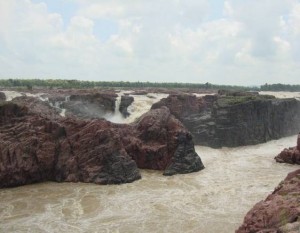
Raneh waterfalls during monsoon season, India
Monsoon is the rainy season in India which lasts from June to September in different parts. It hits Kerala in southern India first in early June and travels northwards. Northern parts of India receive first monsoon showers late June or early July. Not every region experiences equal rainfall or at same time. They all have different experiences with monsoon rains. These rains are very important in economy and lives of everyone in the sub-continent.
The arrival of monsoon rains marks the end of infamous hot and dusty Indian summers and makes the conditions cooler and surroundings much more green and beautiful. Indian people like rains and seeing them enjoying the rainfall by getting soaked in the rain showers is a common sight. One of the most common snacks during this season is a combination of Chai ( type of milky Indian tea) and hot Pakoda (a fried salty snack)
Here is how tourists can enjoy monsoon travel in India
Advantages of traveling during monsoons in India
1) Good discounts in hotels, airlines and other businesses
A lot of airlines and hotels offer very good discounts during monsoons due to lean season, which can really decrease your travel expenses. As the majority of people like to stay indoors during rains, tourist activity is much less and you can enjoy your travel in comparative peace and leisure.
3) Different weather, landscapes and customised plans
Due to different landscapes and weather in different regions, tourists in India can plan their trips all year round. A tourist in India is not bound to dates in a calendar or weather reports to plan and enjoy the journey.
3) Greenery and pleasant weather
Everything comes to life during monsoons in India. The weather is pleasant, cool breeze blow almost all day long and the surroundings are covered with lush new greenery which is a relaxing sight . Places like parts of eastern and central India, Kerala, Western Ghats are even more stunning during monsoons due to clouds and greenery. A lot of rivers are in full flow and this makes for spectacular waterfalls.
4) Cleansing season
Many people think that rains of monsoons are have a cleansing effect, Pollution due to smoke and dust particles is minimised and people are generally more comfortable in this cooler weather. Ayurvedic detoxification during monsoon is very popular these days. Some herbs used in certain ayurvedic practices grow only during monsoons and the rains seem to have a good effect on efficacy of certain plants.
Precautions for travelers in India during monsoon season
Here are some basic precautions that the tourists should observe while traveling in India during monsoons:
1) Carefully plan road trips
Mountainous regions almost everywhere are susceptible to road blockages due to landslides, flash floods etc during rainy season. Plans your road trips by taking these factors in to count.
2) Closed wild life parks
Most of national parks and wild-life areas are closed for tourists during monsoons. So if you are looking for clicking a rhinoceros, tiger or any other exotic animal, confirm the availability in advance.
3) Consume safe water
Although it’s a very general rule, we can’t stress this enough. Don’t drink tap water or even from natural sources like lakes and rivers during rainy season. Always stick to bottled or filtered water.
4) Be cautious of bugs
Bugs and other critters like mosquitoes, flies, snakes etc can be a nuisance during rainy season. Keep an insect repellant handy and be careful of where you step or sleep/
That’s everything that we have to say about traveling in India during rainy monsoons for now. We hope that this article may be of some use for travelers. Please feel free to contact us for feedback or more information.
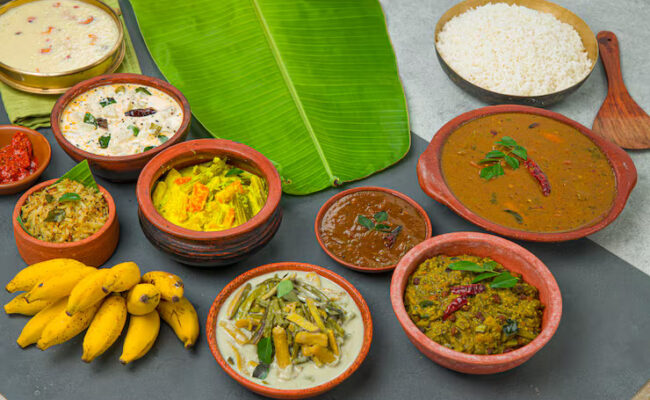
The food of Kerala is a blend of both vegetarian and non-vegetarian options. It includes a variety of items like fish, poultry and red meat. Rice, fish and coconut are the three most common ingredients of Keralite food. Banana chips and Kerala go hand in hand.Most of the tourists prefer banana chips as their snacks as they are easily available and can be tried at any time of the day. Banana chips are dried slices of bananas.They can be covered with sugar or honey to have a sweet taste, or they can be fried in oil and spices to have a salty or spicy taste. Cheera Parippu Thoran or spinach stir fry with coconut is for health conscious people who are looking for a dish that is healthy and is very less in calorie count.The dish is made using leafy vegetables. It makes the best side dish which one can either try with roti, rice. It is a rich source of minerals, vitamins, and iron. Ela Ada is one of those dishes which represent the best and authentic flavors of South India.The dish comprises of rice, coconut, jaggery, etc.One can try this dish for either breakfast or can even as an evening snack. Idiyappam is also known as Noolappam in Kerala cuisine. Idiyappam is made of rice flour, salt and water with a number of thin strands entwined together to make the lovely texture that this dish bears. It is this texture that makes it versatile. It tastes best with Egg Curry. Parippu vada or masala dal vada is a savoury fried snack in Kerala. It is made from legumes and is best consumed for breakfast. Sambar and coconut chutney are the standard accompaniments for Parippu vadas. Puttu and Kadala curry is a famous breakfast recipe out of the many Kerala. Puttu is a cylindrical steamed rice cake that is cooked in a mould with grated coconut. It is served with kadala curry(black chickpeas).It tastes best when served with poori or with roti. Semiya Payasam or popularly known as Vermicelli rice is one of the most famous and popular sweet dishes of Kerala.It is prepared only for some special festivals and occasions. It is served in mud pots which makes the dish even tastier and attractive for the tourists. It is served with lots of nuts and is made using milk, rice, etc. thus is one healthy dish to try.
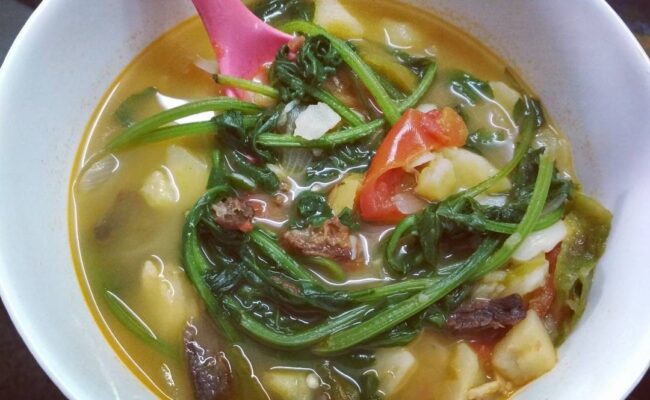
Manipur has been dubbed “The Jewelled Land” due to its natural beauty. The food of Manipur is considered to be very healthy as they use a fresh vegetables a lot. The preparations are simple yet, tasty. Manipuri food is spicy and contains less oil. Chakhao Kheer is a delicious kheer. It has a pleasing shade of purple and is prepared using milk, black sticky rice, and cardamom powder. It’s typically fancy with dried fruits like raisins,cashews or different nuts. It is usually prepared on special occasions like festivals and weddings. Eromba is prepared nearly always with a fish referred to as Ngari. Eromba is made by boiling a large number of vegetables together with some Ngari and king chili. It’s mixed till the mixture becomes sort of a paste. Kangsoi is a vegetable stew that consists of seasonal vegetables that are cooked and flavored with sliced cloves, garlic, onions, salt, maroi and a touch of ginger lidded with ngari, dried fish, or deep-fried fish items and water. The stew is mostly served with rice and consumed piping hot. Singju is a kind of dish that consists of chilies, tomatoes, onions ,finely cut banana stem, cabbage, banana flower, lotus stem, a reasonably scented herb, tree beans, coriander leaves, ginger mixed with ngari fish. Singju is seasoned with red chili powder, salt, roast chickpea powder and roast herb powder.
Chaat – Indian Street Food Various varieties of Chaat are some of most popular Indian street food dishes and quite more than just snacks for people in India. Chaat is among the lightest, cheapest and most convenient meal to have when someone is in a hurry. Indian street food is incomplete without a mention of chaat. A confusing point that many people don’t get is that a lot of Indian street food items are called chaat. Some of more popular chaat dishes are papdi chaat, gol gappa also called paani puri,and bhalla chaat. Chaat is a street food dish, but some kind of it always served during most parties in India. Even posh, high-end restaurants have started serving chaat items, but they are often beaten by the street food vendors who have been doing it for generationsA large number of chaat food items exist in India, many with completely different flavours, looks and ingredients from the rest. Many chaats are eaten cool and thus are enjoyable even in summer. Pani puris for example, are just water flavoured with digestive spices served in hollow balls made of crisp flour. Sometimes they are garnished with chick peas and boiled mashed potatoes. The flavoured water is usually salty made using pudina (mint), rock salt, pepper, and some other ingredients depending upon where you eat it. For people who like sweetness, bit of sweet and tangy tamarind chutney is added. A number of different flavours among pani puris are available catering to almost every type of fan. The flavoured water is considered to help with digestion and is useful in preventing dehydration during hot summers of India. Many people drink pani puri water by cups. Puris are the most common ingredients for other types of chaats. They are small, crisp and crackle loudly when broken. Boiled or fried potatoes and two or more types of chutney ( a type of sauce) are also used. One chutney, made of imli (tamarind) is sweet and tangy . Second one is spicy and made of pudina (mint), ginger and green chillies. Many street food items, including chaat may or may not have dahi (curd, yooghurt), another popular food item in India. It helps with digestion and makes tolerating excess spiciness easy for people who are not used to it. Dahi bhalla chaat is a very popular and tasty street food item, specially popular during summers. The yoghurt is thickened and sometimes sweetened, giving it a smooth creamy texture which gels really well with bhalla . It is sometimes sprinkled with chaat masala, onion garnishing and bits of fried potatoes.Chaat masala is another thing which helps with digestion but is used more in a wa, not just to increase the flavours. It may have different varieties and ingredients in different places. Most popular are powders of , dried raw mango (aam choor), ginger, pepper, rock salt and dried pomegranates ( anaar daana). Apart from their use as chaat masala, these ingredients are also used in combination with other different ingredients as churan to help with digestion. Bhel puri, from Maharashtra is a very tasty light snack made of sev ( thin noodle like crisps made of besan) and puffed rice. They are sprinkled with chaat masala, chutney and garnished with tomatoes and onions. It’s a good snack to have, light on stomach and low on oil. Aaloo tikki is another very popular chaat dish made of boiled and then crisply fried potato cakes. They are served as soon as they are cooked, garnished with chaat masala, chutney and sometimes yoghurt. It’s a heavy dish due to fried potatoes but it’s popular all the same. McDonalds in India even launched a McAaloo Tikki burger to cash in on its popularity.Even if the chaat may seem heavy or tough to digest, yoghurt and chat masala make sure that your digestive system stays fit and healthy. As with everything else, it’s not good to eat chaat in excess, especially if you don’t know about Indian food in details How to eat chaat or any other food in India While traveling in Delhi or any other Indian city, you will find a number of street food vendors selling different varities of food with chaat vendors being a significant majority. Some of them will be there just to make a quick buck and be done with the whole thing, while others serve their food with pride and care for customers. Important thing is to know how to distinguish between the two. Good street food vendors care for their clientele and serve only the best quality food. You can tell it from their loyal customers. Make sure that the food vendors you visit obey basic hygiene rules. Confirm that the food ingredients are covered and protected from dust and flies. Most street food vendors use disposable plates, but if they are not, make sure that they are clean. Read this article to know more about how to keep safe from water and food related problems while traveling. We hope that this article will help you enjoy Indian street food, specially chaat better. Happy munching. Contact us for feedback, queries or for booking an Indian street food tour. Image courtesy: Wikipedia
Indian Food Blog: Himachal Pradesh The snow-clad mountains, lush green valleys, the freshness in the air, tranquillity in the environment, these are a few things that describe Himachal Pradesh at its best. From the road vendors to the authentic cafes and restaurants, Himachali people will pour their hearts out in their dishes. Akotri is made with buckwheat mixed with wheat that is usually prepared on occasions of festivities.The thought of a buckwheat cake might not sound so great but is both scrumptious and healthy. With the goodness of ghee, it provides you with enough nutrients and calories to survive a good hike. Sidu is a local bread made from wheat flour. The flour is kneaded and set aside for some hours for the yeast to settle and the dough to rise. The dough is put on the bonfire to be par-cooked and then later steamed to complete the cooking. This distinct bread is usually enjoyed with ghee . Ambal has mouth-watering taste due to the mixed sweet- sour flavours. Ambal is pumpkin dish usually served with rice and rajma. The dish is neither totally liquid nor totally dry. This dogri dish packs a lot of flavours and is a must try during the winters. Madra is a delicacy that belongs to Chamba district of Himachal Pradesh. This dish consists of the soaked chickpeas or vegetables. Madra is one of those dishes that represents the food culture of Himachal Pradesh and is available at every restaurant, and on festivals, offered to you with utmost love. Rajma Chawal is a delicious dish and contains good quality of carbohydrate and protein that can suit your taste. This popular dish is loved by people of all age groups. Rajma Chawal is perfect for a Sunday brunch or on a get-together with family and friends. It is cooked by using rajma(kidney beans) rice, onions, tomatoes and melange of spices. Kheru is a very tasty and authentic himachali dish. It is served for breakfast, lunch or dinner. Kheru is prepared with sour curd, coriander seeds, onions. Kheru is usually served with piping hot rice but can also be eaten with rotis or parathas. Sepu Vadi is simply a mouth watering dish. Sepu Vadi is cooked mostly on wedding occasion in Himachal Pradesh .Normally this dish is made with spinach , curd gravy and split Urad Dal.
Haryana is one of the wealthiest states in India with kindhearted people. The occupation of the majority of the people is agriculture and dairy. Predominantly, Haryanvi diet is a vegetarian one and they consume a lot of milk and ghee. Haryana is also referred to as ‘The Land of Rotis”. Alsi ki Pinni is prepared with alsi (flaxseed), whole wheat flour, sugar, ghee, nuts and cardamom powder. This sweet is not only delicious but also very healthy. Alsi is high in fiber, omega 3, iron and potassium among others. Bajra Aloo Roti(haryanvi food) is prepared with a mix of bajra flour, mashed potatoes, ginger garlic paste, coriander leaves, garam masala. It is served hot with white butter with raita as accompaniments. It tastes heavenly and just melts in the mouth. Hara Dhania Cholia is a mix of green chickpeas and variety of vegetables. It is prepared with onion, tomato, red chili powder, cumin seeds, coriander leaves and turmeric amongst others. It is a rare and unique combination that is popular in Haryana and is eaten with chapatis or paranthas. Meethe Chawal or sweet rice are prepared using basmati rice, ghee, and sugar along with some cardamom and saffron. Basmati rice grown in Haryana is the best. The dish is very famous and is served during Basant Panchami festival.Every individual must try it at least once.
Assam offers just the right kind of flavours to tickle your taste buds. With a wide variety of indigenous food to offer, Assamese food is famous for its distinct flavoring and influences. Delicious pork, chicken and mutton dishes are a must try. Baanhgaj or Lagot Kukura is essentially chicken cooked with bamboo shoots and lentil.The dish goes well with rice and it can be garnished with chopped green chillies and onions. Khaar is truly a unique Assamese preparation. Khaar is a heartwarming dish made with vegetables and pulses and the main ingredient being meat, fish or even duck. Even dried banana leaves which imparts burst of unexpected yet refreshing flavors. Lucchi is prepared by deep frying a roti made up of white flour, without making it crisp. It is served with a delicious potato curry. Lucchi is also known as Poori in other parts of the country. Masor Tenga is slow cooked fish with a broth made from outenga, tomatoes, and lemon and offers an extremely tangy refreshing flavour once done. Every Assamese definitely loves Masor Tenga. Payash is made using Joha rice and is loaded with ghee, dry fruits, and milk. Cooked on a low flame, one can also add cardamom and saffron for garnishing the dish. Overall, it is a must try dish for all those with a sweet tooth.
The cuisine of Bihar is largely similar to North Indian cuisine but has influences from other East Indian cuisines especially Bengali cuisine. The scrumptious and exotic Bihari dishes are highly capable of tingling the taste buds of every food connoisseur. Khaja is deep fried in oil and the ingredients use is wheat flour, sugar, mawa. It is very crispy. It tastes amazing when it melts in the mouth and its wafery texture makes it very tempting. It is known for its puffiness. Laung latika is a traditional dessert of the food of Bihar. At the centre is clove which makes it stand apart from the others. The pungent taste of the clove with the sweet stuffing dipped in sugar-syrup melts in the mouth. The complex amalgam of tastes altogether makes Laung Latika exclusive to Bihar. Litti Chokha can be considered as the dish of Bihar. It was started as a meal of poor and then was sold on carts on the street Chokha is prepared by mashing boiled vegetables ,adding spices and chopped onion, garlic etc and served with Litti as a complimentary delicacy. Malpua is a popular dessert sweetmeat that can be found in Bihar.It involves mixing flour, milk, sugar and mashed bananas and deep frying them so that the edges get crispy while the centre is still soft. Thekua is the most commonly prepared snack of Bihari food. It is a mixture of wheat flour and jaggery .One can also use rice flour instead of wheat flour and sugar instead of jaggery to make different varieties of Thekua. Tilkut is made from sesame seeds and jaggery makes its taste more flavored. Tilkut is cooked with a sugar base rolled into a ball filled with copious amounts of crushed sesame seeds. The tilkut gets tastier, softer with sesame seeds.
The food from Karnataka includes a wide range of vegetarian and non-vegetarian dishes and comprises of various cuisines that include Udupi, Malnadu and Mangalorean cuisine. Ragi and rice are the staple food items for Karnataka especially in the southern region of the state whereas natives from coastal regions mainly consume fish curries. Bisi bele bath is a spicy, rice-based dish with origins in the state of Karnataka.Bisi bele bhath, which translates to ‘hot lentil rice dish’ in Kannada language, is a wholesome meal. The preparation of this dish involves the use of masalas, toor dal, rice, ghee and vegetables. Spices like nutmeg, curry leaves and tamarind pulp contribute to its unique flavour and taste. Chiroti is a delicacy predominantly served in Karnataka.It’s prepared by rolling out kneaded dough made of maida into layered circular shapes and then deep frying in gheel. The outcome resembles a semi golden brown fluffy poori, which is then sprinkled with powdered sugar and grated almonds and cashews. Mysore Bonda is a very popular South Indian snack recipe which requires only a few simple ingredients. This mouth-watering snack is prepared with rice flour, baking soda, onion, all purpose flour, yoghurt, cumin. These are served with coconut chutney. Mysore pak originally called Mysuru paaka, is an Indian sweet prepared in ghee that is popular in Southern India. It originated in Mysore in the state of Karnataka. It is made of generous amounts of ghee, sugar, gram flour. The texture of the sweet is similar to fudge. Pori urundai is a traditional Indian sweet generally made from puff rice balls and jaggery.The preparation consists of first preparing the hot jaggery syrup with a minimum of water and adding it to puffed rice.Then ,they are moulded into spherical shape balls. Rava Kesari or Kesari Bath consists semolina, sugar, ghee, water, and milk. The dish can also be prepared with pineapple, banana, mango, coconut or rice. It assumes the texture of a crumbled cake.
We use cookies to optimize your experience, analyze traffic, and personalize ads. Please choose whether you accept our use of non-essential cookies.
Read More
Cookies are small text files that can be used by websites to make a user\'s experience more efficient. The law states that we can store cookies on your device if they are strictly necessary for the operation of this site. For all other types of cookies we need your permission. This site uses different types of cookies. Some cookies are placed by third party services that appear on our pages.
Necessary cookies help make a website usable by enabling basic functions like page navigation and access to secure areas of the website. The website cannot function properly without these cookies.
Marketing cookies are used to track visitors across websites. The intention is to display ads that are relevant and engaging for the individual user and thereby more valuable for publishers and third party advertisers.
Preference cookies enable a website to remember information that changes the way the website behaves or looks, like your preferred language or the region that you are in.