Infographic : Edible India
India Food Tour: Social Media Posts, Aug 2022



Assam offers just the right kind of flavours to tickle your taste buds. With a wide variety of indigenous food to offer, Assamese food is famous for its distinct flavoring and influences. Delicious pork, chicken and mutton dishes are a must try.
Baanhgaj or Lagot Kukura is essentially chicken cooked with bamboo shoots and lentil.The dish goes well with rice and it can be garnished with chopped green chillies and onions.

Khaar is truly a unique Assamese preparation. Khaar is a heartwarming dish made with vegetables and pulses and the main ingredient being meat, fish or even duck. Even dried banana leaves which imparts burst of unexpected yet refreshing flavors.

Lucchi is prepared by deep frying a roti made up of white flour, without making it crisp. It is served with a delicious potato curry. Lucchi is also known as Poori in other parts of the country.

Masor Tenga is slow cooked fish with a broth made from outenga, tomatoes, and lemon and offers an extremely tangy refreshing flavour once done. Every Assamese definitely loves Masor Tenga.

Payash is made using Joha rice and is loaded with ghee, dry fruits, and milk. Cooked on a low flame, one can also add cardamom and saffron for garnishing the dish. Overall, it is a must try dish for all those with a sweet tooth.

A curated list of the most popular travel packages based on different destinations.
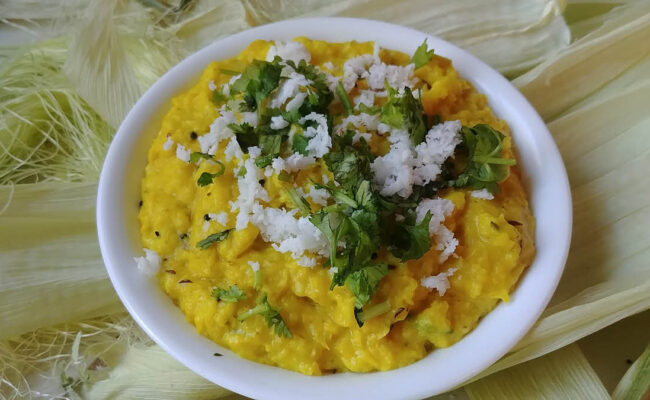
Madhya Pradesh is a food haven for vegetarians and non-vegetarians alike and the passion for food runs deep in the veins of its people. It is not at all surprising to walk down a narrow lane and find yourself losing all inhibitions and indulging in crisp jalebis, Khasta Kachori or the most-loved local street food Bhutte Ka Kees. Bhopali Paan or betel leaf is a complete culinary delight by itself. It not only tastes good but also has a part to play in the digestive system needs.It is a pastry made from betel nut, stuffed with chuna, kattha and supari, and a generous dollop of gulkand.It is said to be one of the most common mouth fresheners. Bhutte ka kees comprises of corns.This dish is only made in Madhya Pradesh and is a healthy and yummy food that is made with grated corn kernels cooked in spices, coconut and skimmed milk. Mustard seeds and green chilies are added to up the spice factor of the dish. Dal Bafla is influenced by the Rajasthani specialty dal bati, is a popular dish in Madhya Pradesh. Crispy baked wheat balls called bafla cooked until they become crisp, and then dipped in ghee. It is eaten with spicy daal, pickles or curry. Mawa Batti has the perfect crisp, the right amount of sweetness and the perfect texture.. It is prepared with mava dough which is mixed with rich dry fruits. After deep frying the mava dough balls, the dish is well-soaked in the sugar syrup to add the sweetness in the dish. Poha is a popular breakfast eaten all across the country and originated in the state of Madhya Pradesh.Super light and super healthy dish,Poha is made with the flattened rice along with the well-cooked onions, tomatoes and is best savoured with green chillies, curry leaves and a bit of lemon.

Ambrosia Bliss is situated right in the middle of New Delhi in Connaught Place. This property is barely 4 months old but has become famous for it’s food, interiors and fun filled events in this short period. It’s situated on outer circle of Connaught Place, just above Haldiram. The small entrance and a signboard give no indication about the lavish and huge restaurant inside. There are three different sections, each one with a different purpose, design and unique charm. First one, Ambrosia is a fine dining place with a good amount of space, great decor, airy with good natural light. Bliss is a relaxing bar and lounge made more interesting with a huge screen, well stocked bar, Sufi rock live performance and other such events. The third one is a “small” private dining area for parties, conferences etc. which can comfortably accommodate 30 guests with space to spare. Each section has an outdoors seating area, it’s own unique design, ambiance and appeal for different audience. Ambrosia is a great place for relaxed meals with friends and family. Bliss is the place where you can go to have a few drinks, listen to live music, smoke hookah and just chill. Guests in this section can order anything except main-course. The private dining area is for private small to mid-size gatherings or parties. As mentioned earlier, each section is designed to cater to a specific audience which is a fairly nice touch. When you combine all this, whole property is huge and one of the largest in the city. Ambrosia and Bliss sections by themselves are larger than most mid-sized restaurants . FOOD & DRINKS The food and drinks menu is just as expansive with huge amount of choices which are enough to leave anyone spoiled for choice. When we reached the place, a weak winter sun was still out and we decided to have a seat in the outdoors section of Ambrosia. As it was our first time in the restaurant, we requested the staff to suggest something. Drinks were first to arrive in form of On Style, a tequila based drink with caramalised orange and a Paan flavoured cocktail. On style had a slightly bitter taste while the other one was sweet but very unique and worth trying. Along came three different platters, Indian non-vegetarian, Indian vegetarian and one and International non-vegetarian. Indian vegetarian platter had dahi kabas, mushroom galouti, haraa kabab and paneer tikka. Indian non-vegetarian platter had chicken tikka, afghan chicken, mutton seekh kabab and kasundi fish tikka. International one had chicken wings, lamb kabab wrap, garlic bread and fish florets. There were 4 different dips, chilli mayo, mustard, mint and tartar sauce to go with all this. Each platter by itself is enough to fill up 2-3 people quite comfortably, so we requested the staff to serve only the smallest portions possible. Everything in the platters was prepared well exactly like it should be. It’s impossible to write about each dish in this article without making a book out of it. So this article will cover only the ones we liked the most. Among vegetarian dishes, dahi kabab, mushroom galouti stand out. Dahi kabab were crispy on outside and very tender on inside with different texture and flavours for both layers and it was easily our favourite. Among non-vegetarian, afghan chicken, chicken tikka and kasundi fish were the best. Of these Afghan chicken was the best because of it’s mild yet excellent flavour and nicely cooked tender meat. The sauces provided were excellent and did a perfect job of complimenting the flavours of all the kababs. After finishing with platters, we were feeling slightly full, so we requested the staff to serve the main course after a while. We spent some time enjoying the view and drinks. When we felt that we were ready to eat more, the main course arrived. Vegetarian dishes included Stir Fried Greens, Chilli Garlic Noodle, Daal Makhni and Paneer Lababdaar. Non-vegetarian part included Tawa Chicken, Nalli Mutton and Fish with Lasca Sauce. For breads, we had delicious looking Mirchi Parantha and Butter Naans. We had finished our drinks and got Kiss Me Miss Me, a tangy vodka based drink with apple and fresh mint. We had liked the Paan based cocktail a lot, but this one was just as good. Among vegetarian dishes, paneer was easily the best with right mix of spiciness and flavours of different ingredients.It tasted best with mildly hot chilly parantha. Chilli garlic noodle was ok with slightly crispy noodles . Daal makhani was good and looked tempting with a generous layer of cream on top. But we felt that it was too mild for Indian palette. Among non-vegetarian dishes, Nalli Mutton with it’s unique flavour, well cooked tender meat and excellent sauce was easily the best. Mostly we prefer to eat curry based non-veg dishes with a bread, but this one was good enough to be eaten just by itself. It was served with a thin silver foil on top, which was a nice touch. Fish was very good with almost no fish smell which a lot of people not used to sea food smell don’t like. Tawa chicken was just about average though. For breads, mirchi parantha with it’s generous use of ghee and chillis was among the best that we have eaten. Dessert comprised of Phirni, Carrot & Walnut Cake, Ice cream with Sticky Toffee Pudding served with toffee sauce and vanilla ice-cream. By this time, we were absolutely stuffed and wondered if we had made a good decision. But first bite of the toffee pudding removed all doubts. The cake was excellent with great texture complemented very well by the toffee syrup and ice-cream. Phirni was OK. Carrot and walnut cake was good too, but toffee pudding won hands down. SUMMARY & COMMENTS: Ambrosia Bliss is a a great place for a number of things including meals with friends, family and even office colleagues. The three different sections ensure that you don’t run out of options. Bliss section is roomy, has great ambiance and is great for celebrating a night
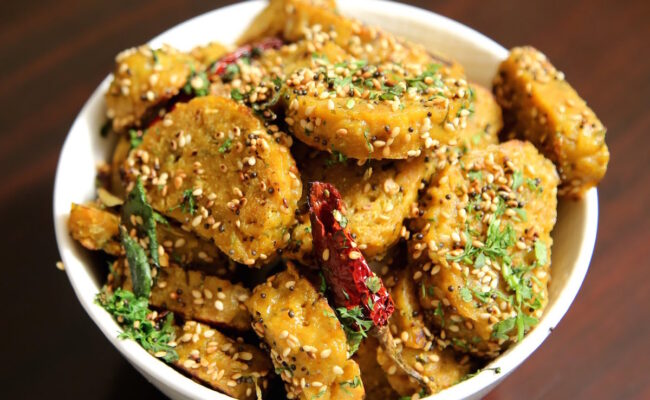
Gujarati food is more than just Dhokla. North Gujarat, Kacch, Kathiyawad and Surti Gujarat are the four major regions of Gujarat and each of these bring their own uniqueness to Gujarati cuisine. Dabeli, Kutch dabeli or double roti is a popular snack food originating in the Kutchof Gujarat. Dabeli literally means “pressed” in Gujarati. It is made with mixing boiled potatoes with a special masala and served with chutney, pomegranate and roasted peanuts. Fafda is a popular Gujarati snack. Fafda is usually yellowish in complexion. It is eaten with a chutney and salty fried-green chilis. Jalebi is sweet and crunchy making this sweet-savoury dish a favourite. Khaman is a food common in the Gujarat , made from soaked and freshly ground chana dal .The final touch to the soft and fluffy khaman is added with a garnishing of sesame seeds, mustard seeds, coriander leaves. It is a variant of Dhokla and has a lighter colour. Khichu is a dough for making papad made from rice flour, however, a few other flours are also used. The snack is prepared by cooking flour in water like porridge with cumin seeds and an alkaline salt known as Papad Khar.The name khichu is derived from the ductile nature of the dough. Khandvi consists of yellowish, tightly rolled bite-sized pieces and is primarily made of gram flour and yogurt. Khandvi is readily available across India and is commonly eaten as an appetizer or snack and is served with garlic chutney. Muthia is a staple of Gujaratis. The name is derived from the way it is made, from the ‘gripping’ action of the hand. Muthia assembles a shape of sausage. The inclusion of fenugreek makes Muthia good for bowel movement. Sev Tameta is made using juicy tomatoes served with heaps of besan sev. The gujrati version of the dish is a bit sweeter with the inclusion of jaggery.
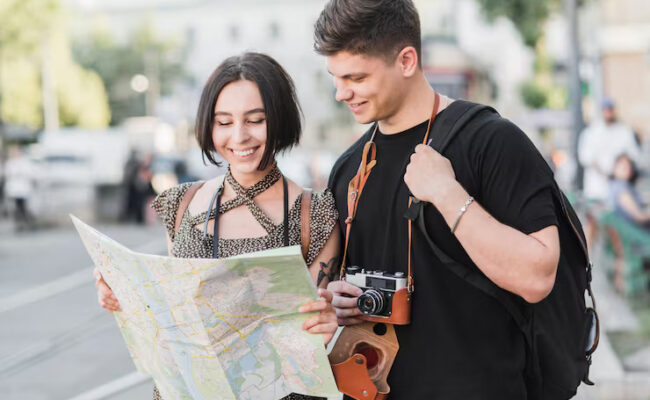
This article is meant to be a brief India travel guide for tourists who need some information about means of transport in India . Anyone traveling to India for the first time is sure to be overwhelmed by the diversity of cultures, languages, people, food, climates and almost everything else. It isn’t possible to write a comprehensive India travel guide which can cover even a fraction of what a tourist may encounter in India. We aim to cover as much vital details as possible without drowning the reader with too much information. We have already posted some India travel guides on this website,: Traveling safely and for cheap in India during monsoons, How to keep safe from water and food related problems while traveling and How to avoid scams and touts while traveling This guide intends to cover some of the general issues related to transport and travel in India. So let’s begin with : Travel by trains in India India has the biggest system of railway lines on the planet and the service is very good, if not excellent. Traveling in India on via train gives you the chance to explore India in detail and in general is cheaper than domestic air travel. Train travel in India offers good connectivity all over India for people with all kind of budgets .For someone with an inquisitive and open mind, it’s a great way of meeting all kinds of Indian people belonging to different regions and classes. There are different types of trains with different levels of service catering to people with different budgets and needs. Trains like Rajdhani, Shatabdi are air-conditioned, fastest in India and provide meals. There are other trains like Duronto, Garib Rath, various Express and other trains which offer varying levels of service at different prices. Apart from that, there are some luxury trains Palace on Wheels, Maharajas’ Express, The Golden Chariot and a few more. These trains are run jointly by Indian railways and tourism ministries of different states in which they operate. Journeying on these trains covers all aspects of transport, food, lodging and sightseeing. Service and level of comfort offered is among the best in world One major drawback of trains is that it can prove difficult to procure tickets. Another one are the delays which can happen frequently on long routes. If you are very tight schedule, relying on trains for your India journey can backfire. Inter-city or inter-state travel in India by Bus In India, travel by bus is 2nd most popular way of cheap travel and in some cases, the only way of public transport to reach places like Manali, Laddakh etc, not yet connected by train network. There are different types of buses available on budget of the traveler. Ordinary buses are usually very crowded and it’s not possible to reserve tickets. They don’t have any air-conditioning or comfortable seats either, But they are very cheap as even a 5 hour journey may cost only Rs 100. Then there are luxury buses with better seats which may or may not have air-conditioning available. They are generally more comfortable and price for a 7-10 hour journey may vary between Rs 300 to Rs 800 for different places and operators. Tickets in air-conditioned buses cost around 1.5 times to double for same kind of seats. Apart from these, there are luxury buses operated by private as well as government which offer maximum comfort at slightly higher prices. These buses are usually supplied by Volvo or Mercedes and have more comfortable seating arrangements than the rest. Travel by Car A car with driver is the most comfortable and safest way of travel in India.It is possible to get a car on rent and drive it yourselves, if you have necessary paperwork, but Indian roads are too chaotic for a foreigner. It’s better to hire a driver along with the car. Salary for driver is about Rs. 150-300 per day which is included in rent for the car and you don’t have to pay for his food or lodging. Different varieties of vehicles have different rent prices and they vary between Rs 8 per km to Rs 20 per km for most models which include Ambassador, Tata Indigo, Toyota Qualis and a few others. Renting a car is a good option for various reasons as you have much more flexibility and don’t have to worry about following a strict schedule or missing a train or worry about tickets. Having a good driver who can communicate well also means that he can help you with finding good hotels, restaurants and other amenities easily. But be wary of drivers who act as touts. A majority of them try to take tourists to businesses which offer them commissions. It isn’t exactly illegal, but tourists should evaluate their choices before making decisions. They should make sure that they are getting good value for their money for the services availed. Travel by motor-bikes Using a motorbike (motorcycle) can be a great adventure if you are up to driving on dangerous roads. Royal Enfield is the most popular brand for motorcycle enthusiasts in India. It’s less fuel efficient but is powerful enough for most Indian roads including those on mountains. Motorcycles with engines of 100 to 220 cc are more common and cheaper and cam offer a mileage of 40kmpl to 70 kmpl depending upon various factors. It is possible to rent or buy new or used motorcycles. Rental cost per day for bikes vary between Rs 600 to Rs 1500 in different places for different bikes. While buying, it’s advisable to go for 2nd hand bikes which may cost anything between Rs 12000 to Rs 40000. Travel in Indian cities by auto-rickshaws (tuk-tuk) Auto/ tuk-tuk/three-wheeler is a good albeit slightly uncomfortable choice for short-distance travel inside Indian cities. Due to their small size, they can dodge traffic rush easily but have slow speeds which is actually good due to less safety features. Before getting in to an



 WhatsApp