Interesting Facts You Never Knew About Your Favourite Pizzas
Pizzas
What is flat, round, topped usually with cheese and tomato sauce and can be custom-made to suit each and every palate, be it vegetarian or non-vegetarian? No points for guessing; it’s a pizza! In the present society, where pizza rightfully claims (and actually does) get to your house before even the police can, there is an ever-increasing war of sorts between all the so-called ‘big’ pizza delivery chains in any city.
For instance, in Mumbai itself, there are more than a dozen Pizza Hut Mumbai outlets to choose from! After all, a pizza is like the entire food pyramid rolled into one! And with more and more people warming up to this Italian delicacy, the types and varieties of pizzas available today is truly mind-boggling. That first delectable whiff of your pizza baking in the oven, the scalding of your tongue as you bite into your pizza slice sooner than you should have, the way your mozzarella leaves a trail leading from your mouth to the slice even as you try to pull away and let go, the burst of flavours on your tongue which leaves your taste buds tingling – truly speaking, eating a pizza is an all-encompassing culinary experience in its own right. And the best part of all, a pizza can be prepared in an infinite number of ways, with a different topping or combination of toppings each time.
Interesting Facts About Pizzas:
More than 5 billion pizzas are sold worldwide each year.
The first restaurant which exclusively sold pizzas came up in Naples in the year 1830.
The world record for the fastest pizza making currently stands at 14 pizzas in 2 minutes and 35 seconds.
There’s actually an entire month dedicated to pizzas in the United States since the year 1987 – October is the ‘National Pizza Month’.
The record for the world’s largest circular pizza was set at Norwood Hypermarket in South Africa in 1990 – 122 feet and 8 inches across, weighing 26883 pounds, containing 9920 pounds of flour, 3968 pounds of cheese and 1984 pounds of sauce.
Cheese and tomatoes (considered to be essential components of all pizzas) weren’t added to the early versions of pizzas right upto the late 1800s.
Is Pizza Actually Healthy?
Contrary to popular belief, yes – pizzas are a healthy eating option. Though very often classified under the ‘junk food’ banner, a pizza can be a very wholesome meal, provided you choose the right toppings to go with it. Lycopene, an anti-oxidant found in the skin of tomatoes, is known to fight the destruction of healthy body cells. Studies indicate that it even has the ability to obstruct the growth of cancerous tissues. Also an excellent source of Vitamin C, the tomato sauce on your pizza is extremely good for your health.
Nothing tastes better than a cheese-burst pizza, with dollops of cheese loaded onto and into the crust, right? Wrong. Though it may taste good, but too much of cheese may be more harmful than you think. Okay, we’re not telling you to eat your pizza without cheese (no way), but then, the cheese on top of your pizza crust is more than enough for your body’s calcium requirements at any given time. Also, a thin crust pizza is the healthiest option, as thick crust means nothing except some extra flour and bread, which ultimately adds up to needless calories and hardly any vitamins and minerals.
Heard about paper blotting? Catch hold of a paper napkin and pat the very obvious oil from the top of your slice before biting into it. It’s hard to believe but this method alone is estimated to cut upto 30 calories. And if you love to sprinkle oregano all over your Pizza Corner pizza to give it that extra zing, go ahead by all means – your oregano is a good source of Vitamin K, fibre and manganese. So, as you can pretty much make out by now, there is no reason whatsoever to compromise with your taste when it comes to your favourite pizzas, as long as you don’t go overboard in the choices you make.
On a lighter note:
So then, what would be the best time or occasion to order in a pizza? Well, let’s see if we can make out. Woken up on a lazy Sunday morning and it’s almost noon? Don’t get down to cook, just order in a pizza. When your friends suddenly decide to jam at your place without prior notice, you have no option but to get pizza home delivered. And yes, a different flavour for everyone. If you’re almost out of cash and can’t afford a seven-course meal, the best and most-filling option that you have is a pizza. Down in the dumps at any random time of the day, weekday or weekend? It’s pizza time. Simply put, you’ll feel good by the time you finish your meal.
How to cook Chicken Biryani Biryani has been originated in Turkey or Persia. The Muslim travelers have brought this to India and other places on the map closer to Persia. You can make a vegetable, mutton, chicken, prawn, fish biryani. The famous and most consumed is the Chicken Biryani. Traditionally earthen pots are used to make biryani to bring out the best aroma from the best quality ingredients used in the dish. Ingredients:- 1 kg – chicken, cut into medium size pieces. ½ kg basmati rice. 1.5 glasses of water. 1 tsp. – Ginger paste. 1 tsp. – Garlic Paste. 3- Large onions finely sliced. 3 – Green chillies, chopped. 1 cup – chopped fresh mint leaves. 1 cup – chopped fresh coriander leaves. 1 tsp – red chilli powder. 10 strands of saffron. ½ cup – milk. 2 cups – yoghurt. 2-3 tbsp. – lemon juice. 7- Cloves. 2 – Bay leaves. 5 – Green cardamoms. 1 – Inch piece cinnamon. 2 tbsp. – ghee. ¾ cup – oil. Salt to taste. Grind to paste – 7 cloves, 4 cardamoms, ½ tsp – whole pepper, ½ inch piece – cinnamon. How to cook: Soak saffron in milk and keep aside. Fry the sliced onions till crispy golden brown in color. Set aside to cool. When cool, grind to a coarse texture and set aside Rub ginger and garlic paste all over the chicken Add red chilli powder, half of the mint and coriander, lemon juice, green chilles, the ground spices ,crushed onions, yoghurt and the oil in which the onions were fried .Marinate for 2 hours In a heavy-bottomed pan, put the chicken along with the marinade and cook on medium heat until the gravy is not fully fried. Boil 1.5 glasses of water, when hot enough add some whole cloves, bay leaves, cardamoms and cinnamon then add salt and the rice. Parboil the Rice Drain the water and keep the rice side To layer the biryani add ghee in an earthen pot and layer rice then chicken gravy then rice and add the saffron milk to it Put the remaining ghee , coriander, mint leaves to garnish Seal the biryani and cook till rice is fully cooked Serve hot with raita.
A lot of people suffer from upset stomach and other related illness by consuming unsafe water and food while traveling. A few people are blessed with iron stomach and immune system better than Terminator. But for rest of us, a lot of effort is spent on not getting sick whenever we step outside our homes for any period of time. This issue is of particular importance for people who are traveling to foreign countries. You will find different notions of hygiene, cleanliness and even different pests and germs in different places. For example, communicable diseases like malaria are almost completely eradicated in western world, but they still claims hundreds of thousands of lives in many other countries. Although, this topic can be written about in a very detailed manner, time and space constraints dictate that I limit this article to basic precautions related to water and food safety only. Although, this article is written with India in mind, these are some general instructions which hold true almost everywhere. So let’s begin with Food Safety Rules For Travelers Taking even basic precautions related to food safety and hygiene can save you a lot of trouble. High end restaurants and hotels are considered cleaner than most road-side street food vendors. But this is not true everywhere in very case. One such case in example is freshness of ingredients used. A lot of ofstreet food vendors prepare their dishes earlier in day or during the work hours and serve them as fresh as possible. Meanwhile, restaurants usually prepare large quantities of their most popular food items or ingredients and store them in refrigerators to be heated up just before serving.Here are some points for you to keep in mind when eating food in India or almost anywhere else in the world: a) Get food only from a recommended and trusted source Many street food businesses have good reputations among their customers for solid reasons. If you don’t know much, then take advice from your local friends, guides etc . But make sure that they have no commercial stake in recommending you something. Observing the customers is also a good way of making a choice. A good food vendor will have large number of customers compared to a non-trusted one. Food safety is always important to good vendors. b) Always make sure that the utensils used in serving are clean. Most street food vendors use disposable plate, spoons made of plastic, leaves, cane etc. But if metal utensils are being used, ensure that they are clean first. Use your own wipes, napkins etc to clean them if not sure. c) Do not eat at any place where the food is not covered and exposed to dust and flies. These are major source of germs and observing this basic food safety precaution alone can save you from lots of trouble d) Have fresh food In some places, the food you ask for is prepared right in front of you out of semi-prepared ingredients. Not every vendor brings 100 % read to eat food with him. So, if you see food cooking before being served, it’s very likely that it’ll be fresh. A good food vendor will usually pay heed to your requests and prepare the food exactly to your requirements. But if there are other people waiting, he may have to pay more attention to others. e) Precautions related to food are can be very confusing. People may follow all the hygiene and cleanliness related precautions, but may still suffer from an upset stomach due to some unknown food intolerance or allergy they did not knew about earlier. It can be really difficult to avoid such incidents. In case you know about your food intolerance and allergies, confirm with the vendor before consuming anything. If that’s not possible , try only small portions to check whether you are okay with it. If you have no side-effects and like the dish, go on to enjoy larger portion. Also, always keep a basic first aid kit consisting of a few medicines for an upset stomach, antacid, antihistamines etc. Water Safety Rules For Travelers Contaminated water causes biggest source of preventable infectious diseases worldwide. A number of potentially fatal infectious diseases can be prevented from spreading by just using clean water. Fortunately for travelers, it’s pretty easy almost everywhere. One of the most convenient solutions is to use branded bottled water. It’s easily available almost everywhere and comparatively easily. Some people consider it expensive. It is if you consider that it’s just ordinary water, but considering the alternative of spending so much money on medicines, it’s good enough. Even with bottled water, make sure that you buy only the original brands and properly sealed bottles. If in doubt, leave it and buy it from some place else. But what happens when you are in a place with no bottled water ? Unless you are near a river source with clear fast moving water, glacier etc. you have to boil and filter before drinking. You can use water purifying tablets or drops. Sometimes it causes slight change in taste of water but most people will accept it. Portable filters are another option. There are many types of big and small filters available in market. One portable filter as big as a pen and is used as one would use a straw. It’s very lightweight and small and can be carried in a pocket. Additionally, you can use bottles which come with water filter already fitted in. Most of other filters are are usually too big to lug around comfortably. If you are not carrying your own water filter, then best option to quench thirst are bottled water, juice or soft drinks, in that order. We hope this article may help you keep safe while traveling in India. Contact us for any feedback or information.
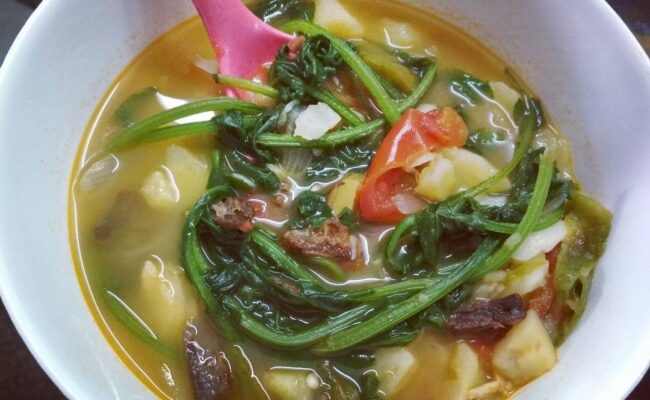
Spinach (Paalak) Gravy When we are looking for some nutritious ingredient then spinach can be used in every type of dish including soup, parantha and rice too. Some people love to have it in a spicy flavor. This green vegetable is a store of vitamins and proteins which is very healthy. Contents of the dish: Spinach, 1.5 cups. Toor dal, ½ cup. Cumin seeds, 1.5 tsp. Dry red chillies. Grated coconut, 3 tsps. Garlic flakes. Tamarind. Tomato puree, 4 tsps. Salt as per taste. Methodology: To settle the toor dal and tamarind, soak them in water for few minutes. Clean the spinach and boil it in water. Make a fine paste of the toor dal, cumin seeds, coconut and red chillies. Now add this paste into the spinach with salt, tamarind water and garlic tomato puree. Season the dish with some gram dal, curry leaves and spinach and serve hot.
Arunachal Pradesh street food differs from tribe to tribe. As one move toward the eastern side of Arunachal people are dependent on bamboo and other leafy vegetables which are strictly boiled. Fried food is not as popular as people like to eat either boiled or smoked food. Apong is a type of rice beer, which is traditionally prepared by tribes of Arunachal Pradesh.India. Apong is prepared by fermenting rice. The two types are Nogi Apong and Poro Apong.The two apongs differ in their taste and colour. Chura Sabji is a kind of curry made of fermented cheese made by either yak milk or cow’s milk and not to forget the most important the flakes and a few pieces of the King chilly which makes it spicy but delicious. Lukhter is another delicacy of the Arunachal Pradesh.Lukter is a combination of cooked dry meat and chilli flakes from the King chilly or Bhut Jolokia. Like the norm goes with Aunachal, this is a side dish meant to be eaten with rice. Pehak is made by use of fermented Soybean and King chilly. In this dish, the king chilli is used as the main ingredient. It is also used as a side dish with rice. The pickle is hot and very spicy that gives the rice a very unique hot flavor. Pehak is very popular among Arunachalis. Pictures sourced from various sources on internet. Please contact for credits. Visit:- if you want to visit Golden traingle along with food Tour
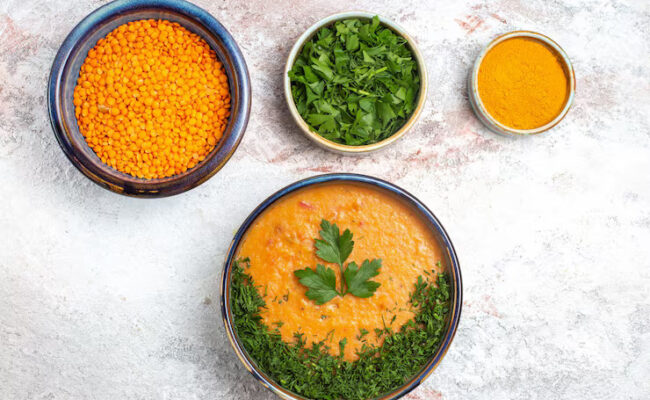
Moong Daal Recipe Lentils and grams are a very integral part of Indian cuisine. The daal is made in different ways from different areas and regions in India. One can make split green gram, Pigeon peas, green gram, Black gram and the list is vast. It’s not just delicious and but also very good for health. Ingredients: ½ cup split green gram (soaked for ½ an hour). Tomato – 1 no. ½ tsp. turmeric powder. ½ tsp. chilli powder. Coriander leaves. Green chilly -1 no. Salt as required. For the seasoning Garlic flakes – 3 . Oil as required. Cumin seeds – ½ tsp. Curry leaves – 6-7 leaves. Methodology:- Add the soaked dal with 2 glasses of water in a pressure cooker. Add one tomato, green chili, coriander leaves. Now add the masalas and salt. Pressure cook for 2-3 whistles. After the pressure has gone from the cooker take a heavy bottomed pot and add the ingredients for seasoning. When the cumin seeds start sputtering add it to the dal Serve with white rice and rotis.
Manipur has been dubbed “The Jewelled Land” due to its natural beauty. The food of Manipur is considered to be very healthy as they use a fresh vegetables a lot. The preparations are simple yet, tasty. Manipuri food is spicy and contains less oil. Chakhao Kheer is a delicious kheer. It has a pleasing shade of purple and is prepared using milk, black sticky rice, and cardamom powder. It’s typically fancy with dried fruits like raisins,cashews or different nuts. It is usually prepared on special occasions like festivals and weddings. Eromba is prepared nearly always with a fish referred to as Ngari. Eromba is made by boiling a large number of vegetables together with some Ngari and king chili. It’s mixed till the mixture becomes sort of a paste. Kangsoi is a vegetable stew that consists of seasonal vegetables that are cooked and flavored with sliced cloves, garlic, onions, salt, maroi and a touch of ginger lidded with ngari, dried fish, or deep-fried fish items and water. The stew is mostly served with rice and consumed piping hot. Singju is a kind of dish that consists of chilies, tomatoes, onions ,finely cut banana stem, cabbage, banana flower, lotus stem, a reasonably scented herb, tree beans, coriander leaves, ginger mixed with ngari fish. Singju is seasoned with red chili powder, salt, roast chickpea powder and roast herb powder.
Idlis Recipe Idli is a very famous dish in India. It is originally from South India but is made everywhere and relished by everyone. It’s a breakfast recipe edible for old age to children as it is very soft. Diet conscious people have idlis as a first on their list. Ingredients: 1 cup – split black gram 1 cup –rice 1 tsp – fenugreek seeds (optional ) Salt to taste Methodology: Soak rice, split black gram, and fenugreek seeds in lots of water. Leave it overnight. Grind the mixture and leave it to ferment for a day. It should have the consistency of a batter after grinding. Grease the idli molds and set the batter into them. Heat water in the idli cooker till it starts boiling. Steam cook for about 12-15 minutes on a high flame. Turn off the gas and leave it for 15-20 minutes as it’s difficult to remove the idlis when extremely hot. Serve it with hot sambhar.
Uttapam Recipe Uttapam is made from the blend of Urad dal and rice. This combination is excellent and vital for health and has greater nutritious values like vitamin B, folic acid and other protein. In India this south Indian dish can be served during brunch, lunch or dinner. The cuisine was initially discovered in 1st Century A.D. The same is eaten all across India especially in hotels which serve South Indian Cuisine. Ingredients:- Dosa Batter- 1 Cup. Tomato- 1. Small onion- 1. Broken Cashew nuts- 5-7 pieces. Green chillies 1-2. Coriander leaves- 1 bunch. Cooking Method : Wash and chop all the ingredients then mix it batter. Add salt as per taste. Now take a non stick pan and heat it. Cover the pan by adding teaspoon of oil. Now slowly flip it and let other side get cooked. It should smell nice and crisp. Serve it hot with the combination of coconut chutney.
We use cookies to optimize your experience, analyze traffic, and personalize ads. Please choose whether you accept our use of non-essential cookies.
Read More
Cookies are small text files that can be used by websites to make a user\'s experience more efficient. The law states that we can store cookies on your device if they are strictly necessary for the operation of this site. For all other types of cookies we need your permission. This site uses different types of cookies. Some cookies are placed by third party services that appear on our pages.
Necessary cookies help make a website usable by enabling basic functions like page navigation and access to secure areas of the website. The website cannot function properly without these cookies.
Marketing cookies are used to track visitors across websites. The intention is to display ads that are relevant and engaging for the individual user and thereby more valuable for publishers and third party advertisers.
Preference cookies enable a website to remember information that changes the way the website behaves or looks, like your preferred language or the region that you are in.